
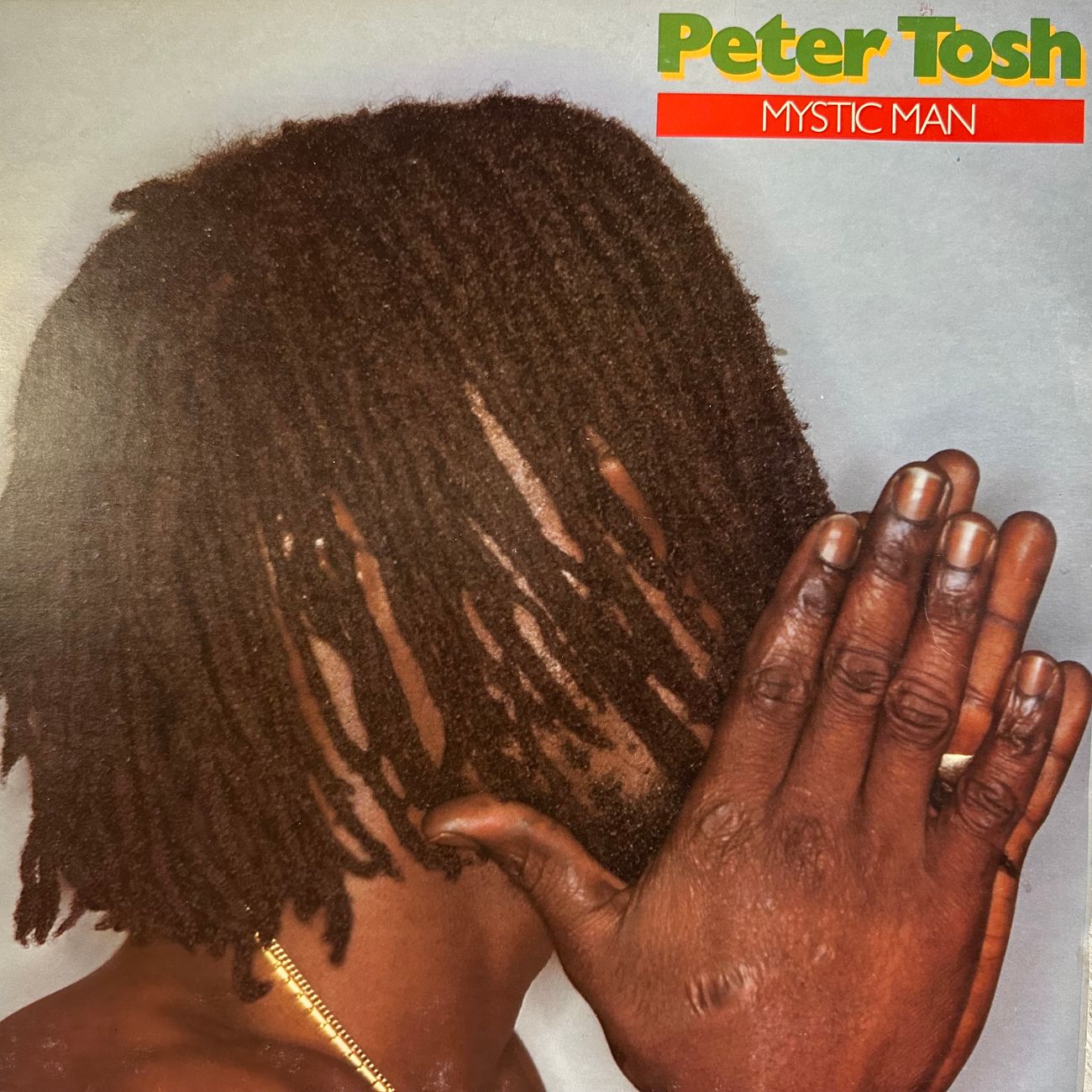



- Reggae
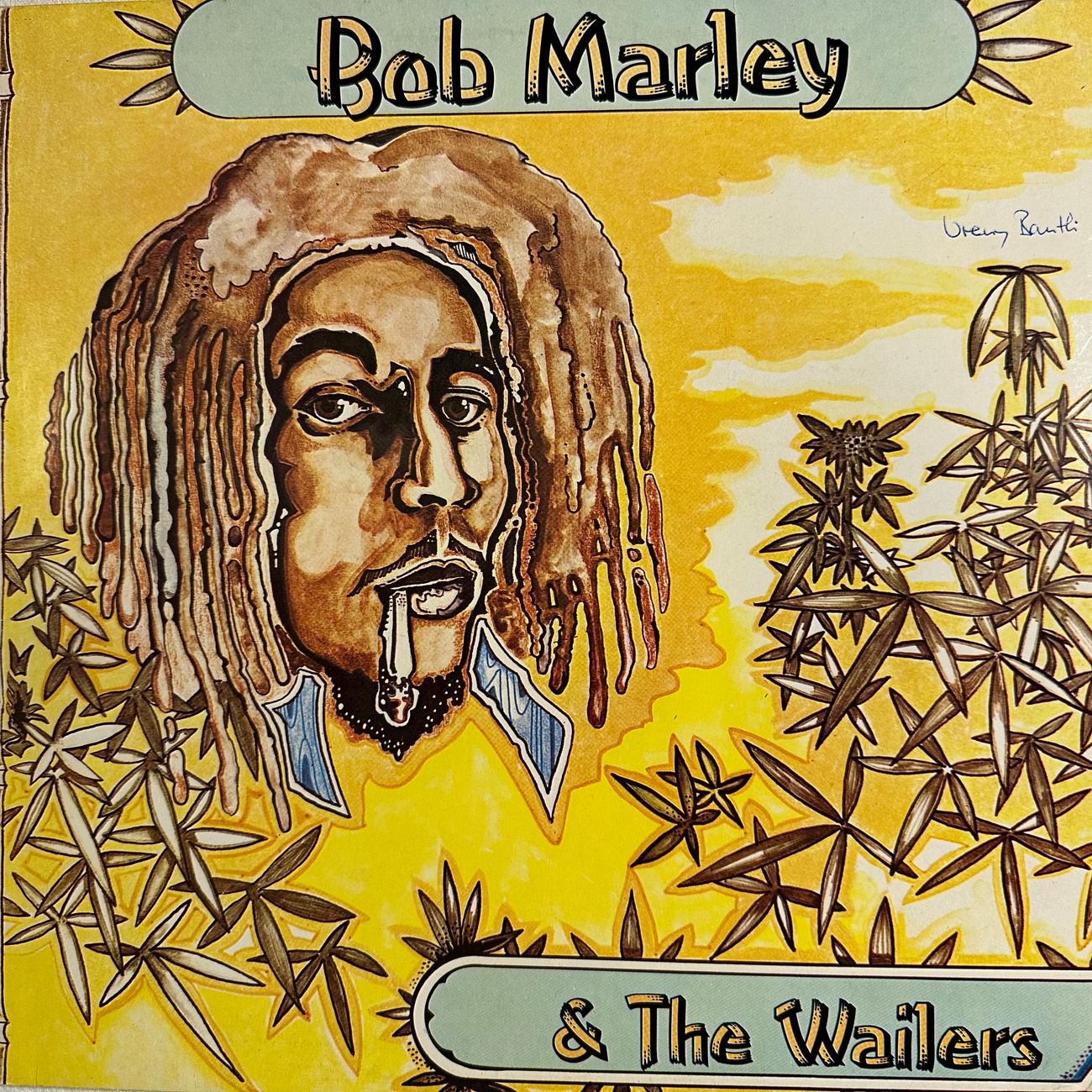
- Bob Marley
- 12 Inch
- Jamaican
- Used
- Bob Marley is one of the most iconic and influential musicians in the history of reggae music. Born Robert Nesta Marley on February 6, 1945, in Nine Mile, Jamaica, he became famous for popularizing reggae music worldwide and is celebrated for his poignant songwriting and distinctive vocal style. Marley's music often carried powerful messages of peace, unity, and resistance against oppression, deeply rooted in Rastafarian beliefs. His band, Bob Marley and the Wailers, produced numerous albums that have had a lasting impact on music and culture globally.
- Pop
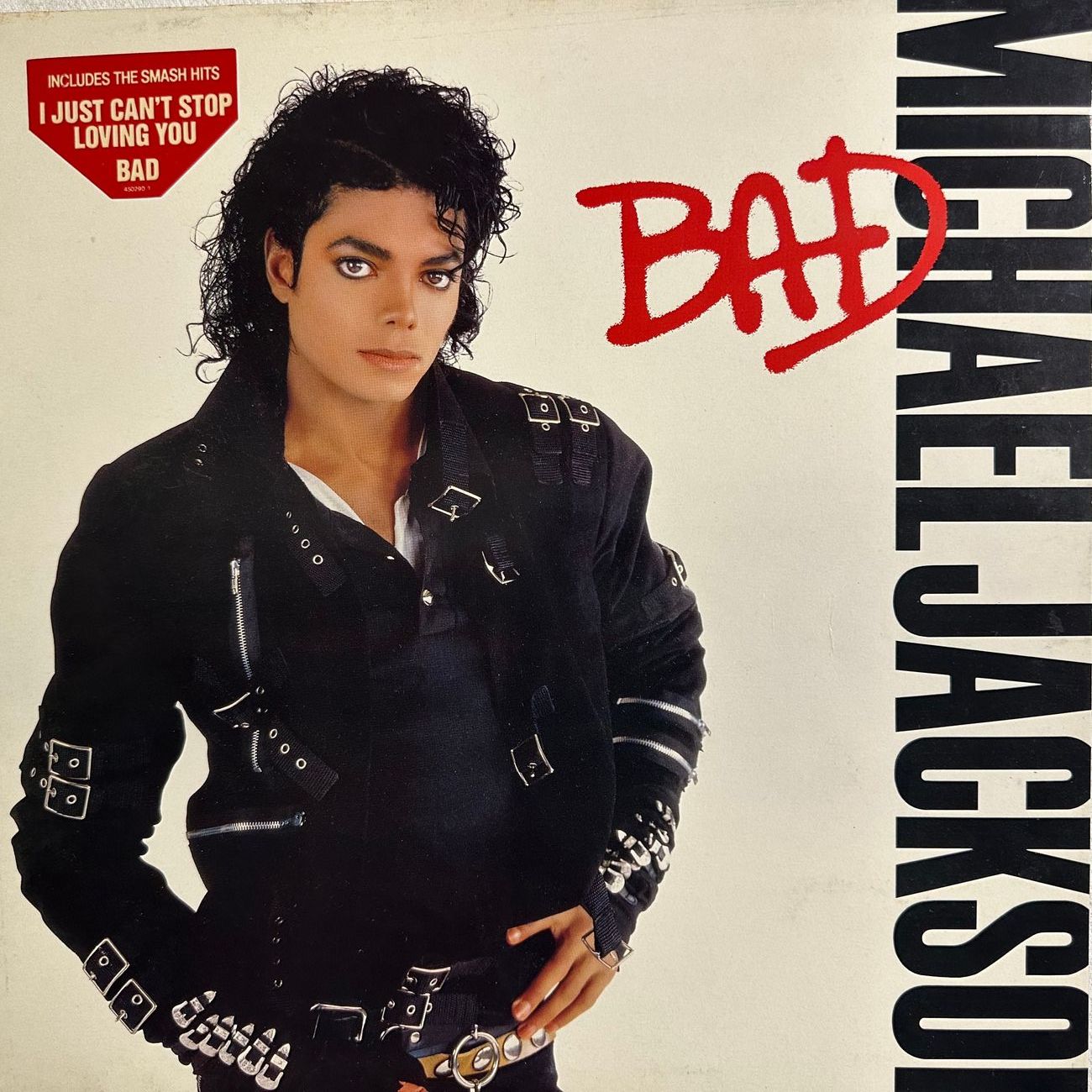
- Michael Jackson
- 12 Inch
- USA
- Used
- Michael Jackson's "Bad" is a monumental album in the history of pop music, released on August 31, 1987. This album followed his groundbreaking album "Thriller," and while facing immense pressure to meet or exceed the success of its predecessor, "Bad" proved to be a phenomenal success in its own right. Album Overview: "Bad" was the first album for which Jackson had the primary creative control, serving as the co-producer along with Quincy Jones. The album features a mix of pop, rock, funk, and R&B, and showcases Jackson's evolution as a songwriter and musician. He wrote nine of the album's eleven tracks, which delve into themes of media scrutiny, fame, personal struggles, and societal issues. Key Tracks: "Bad" - The album opens with its title track, a bold assertion of self-confidence and an iconic music video directed by Martin Scorsese. "The Way You Make Me Feel" - A groovy and romantic song that became a fan favorite. "Man in the Mirror" - A reflective and inspirational song about personal change and making a positive impact on the world. "Smooth Criminal" - Known for its compelling beat and the famous "anti-gravity lean" in the music video. "Dirty Diana" - A hard rock track that showcases Jackson's versatility and ability to cross genre boundaries. Reception: "Bad" was a commercial juggernaut, becoming the first album to produce five Billboard Hot 100 number-one singles. It received critical acclaim for its ambitious artistic scope and the strength of its singles. The album solidified Jackson's status as a global pop icon and was a staple of late 80s music. Vinyl Collectibility: As a vinyl record, "Bad" holds significant appeal among collectors. Vinyl enthusiasts and Michael Jackson fans cherish original pressings for their sound quality and the tangible connection to an era when Jackson was at the peak of his creative powers. The album artwork, featuring Jackson in a black leather suit against a stark white background, is iconic and instantly recognizable, making it a visually appealing addition to any collection. Collectors often seek out well-preserved copies of "Bad" not only for their musical and historical value but also for the quality of analog sound that vinyl can provide, which many believe enhances the listening experience of Jackson's dynamic production and vocal performance.
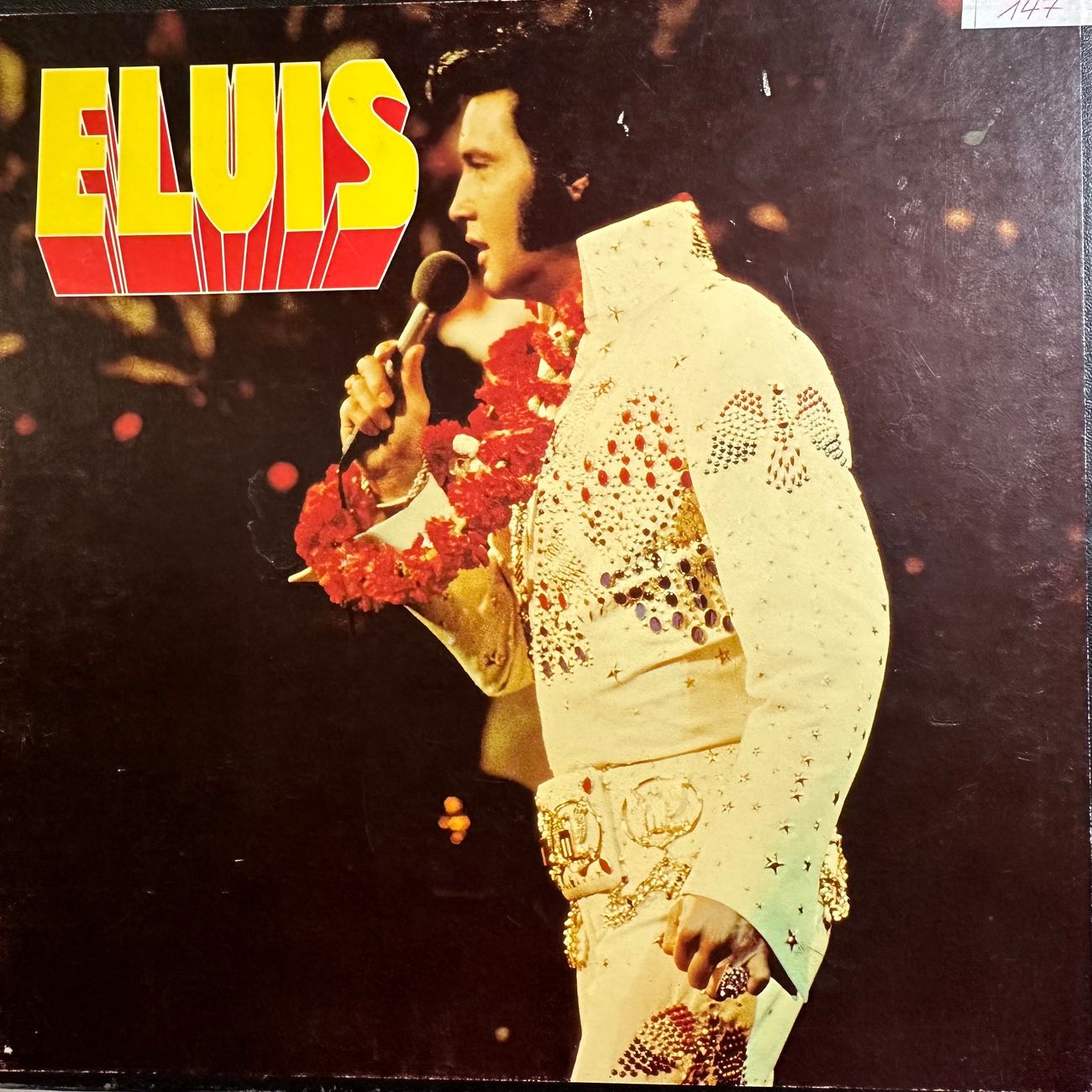
- Rock and Roll
- Elvis Presley
- 12 Inch
- USA
- Used
- Elvis is one of the best-selling solo music artists worldwide, with estimated record sales of over 600 million units. His commercial success in the music industry remains unparalleled. Elvis had a profound impact on the development of rock and roll and popular music in general. He brought a blend of African-American blues, Christian gospel, and Southern country to a mass audience. He has numerous hit singles and albums, with more than 150 albums and singles certified gold, platinum, or multi-platinum by the Recording Industry Association of America (RIAA). Hits like "Heartbreak Hotel," "Jailhouse Rock," and "Suspicious Minds" are perennial favorites. Apart from music, Elvis also had a successful film career, starring in 31 feature films such as "Love Me Tender," "Viva Las Vegas," and "Blue Hawaii." These films, though often criticized for their lack of depth, were commercial successes and helped to solidify his status as a cultural icon. Elvis Presley's legacy is a complex amalgam of musical innovation, cultural shifts, and a personal story woven into the fabric of 20th-century music and entertainment. His life and work continue to be celebrated and studied for their profound impact on music and popular culture.
📦22 Products





Louis Armstrong, often referred to as "Satchmo" or "Pops," was a foundational figure in jazz music, known for his charismatic stage presence and innovative skills as a trumpet player and vocalist. Born in New Orleans in 1901, Armstrong's career flourished from the 1920s through the 1960s, and he is celebrated for his profound impact on the world of jazz, with contributions that reverberate in the genre to this day. Musical Contributions: Armstrong was instrumental in the development of jazz as a soloist's art form. Before him, jazz was more about collective improvisation, but he transformed it by putting the soloist at the forefront, showcasing his remarkable skill on the trumpet and cornet. His playing featured incredible technique, characterized by a unique sense of rhythm and ability to bend the melodies in innovative ways that had a profound influence on the future directions of jazz. Vocal Style: As a vocalist, Armstrong had a distinctive, gravelly voice and was famous for his ability to convey emotion and personality in his singing. He was also one of the first to popularize scat singing—a vocal improvisation with wordless vocables and nonsense syllables, which mirrored his trumpet playing in its inventiveness. Key Recordings and Hits: Some of Armstrong's most famous recordings include "What a Wonderful World," "Stardust," "La Vie En Rose," and "Dream a Little Dream of Me." His version of "Hello, Dolly!" was a huge hit in 1964, displacing The Beatles from the top of the Billboard Hot 100 chart at the height of Beatlemania—an impressive feat illustrating his broad appeal. Cultural Impact: Beyond music, Armstrong's influence extended into the realm of civil rights; he used his prominent status to speak out against segregation and the mistreatment of Black Americans, though his approach was sometimes criticized for not being assertive enough. Nevertheless, his legacy as a pioneering musician and cultural ambassador is unassailable. Louis Armstrong passed away in 1971, but he remains an enduring figure in not only jazz but also the broader landscape of American music, celebrated for his joyful performances and his ability to connect with listeners around the world.
- Jazz
- Louis Armstrong
- 12 Inch
- USA
- Used
- Louis Armstrong, often referred to as "Satchmo" or "Pops," was a foundational figure in jazz music, known for his charismatic stage presence and innovative skills as a trumpet player and vocalist. Born in New Orleans in 1901, Armstrong's career flourished from the 1920s through the 1960s, and he is celebrated for his profound impact on the world of jazz, with contributions that reverberate in the genre to this day. Musical Contributions: Armstrong was instrumental in the development of jazz as a soloist's art form. Before him, jazz was more about collective improvisation, but he transformed it by putting the soloist at the forefront, showcasing his remarkable skill on the trumpet and cornet. His playing featured incredible technique, characterized by a unique sense of rhythm and ability to bend the melodies in innovative ways that had a profound influence on the future directions of jazz. Vocal Style: As a vocalist, Armstrong had a distinctive, gravelly voice and was famous for his ability to convey emotion and personality in his singing. He was also one of the first to popularize scat singing—a vocal improvisation with wordless vocables and nonsense syllables, which mirrored his trumpet playing in its inventiveness. Key Recordings and Hits: Some of Armstrong's most famous recordings include "What a Wonderful World," "Stardust," "La Vie En Rose," and "Dream a Little Dream of Me." His version of "Hello, Dolly!" was a huge hit in 1964, displacing The Beatles from the top of the Billboard Hot 100 chart at the height of Beatlemania—an impressive feat illustrating his broad appeal. Cultural Impact: Beyond music, Armstrong's influence extended into the realm of civil rights; he used his prominent status to speak out against segregation and the mistreatment of Black Americans, though his approach was sometimes criticized for not being assertive enough. Nevertheless, his legacy as a pioneering musician and cultural ambassador is unassailable. Louis Armstrong passed away in 1971, but he remains an enduring figure in not only jazz but also the broader landscape of American music, celebrated for his joyful performances and his ability to connect with listeners around the world.
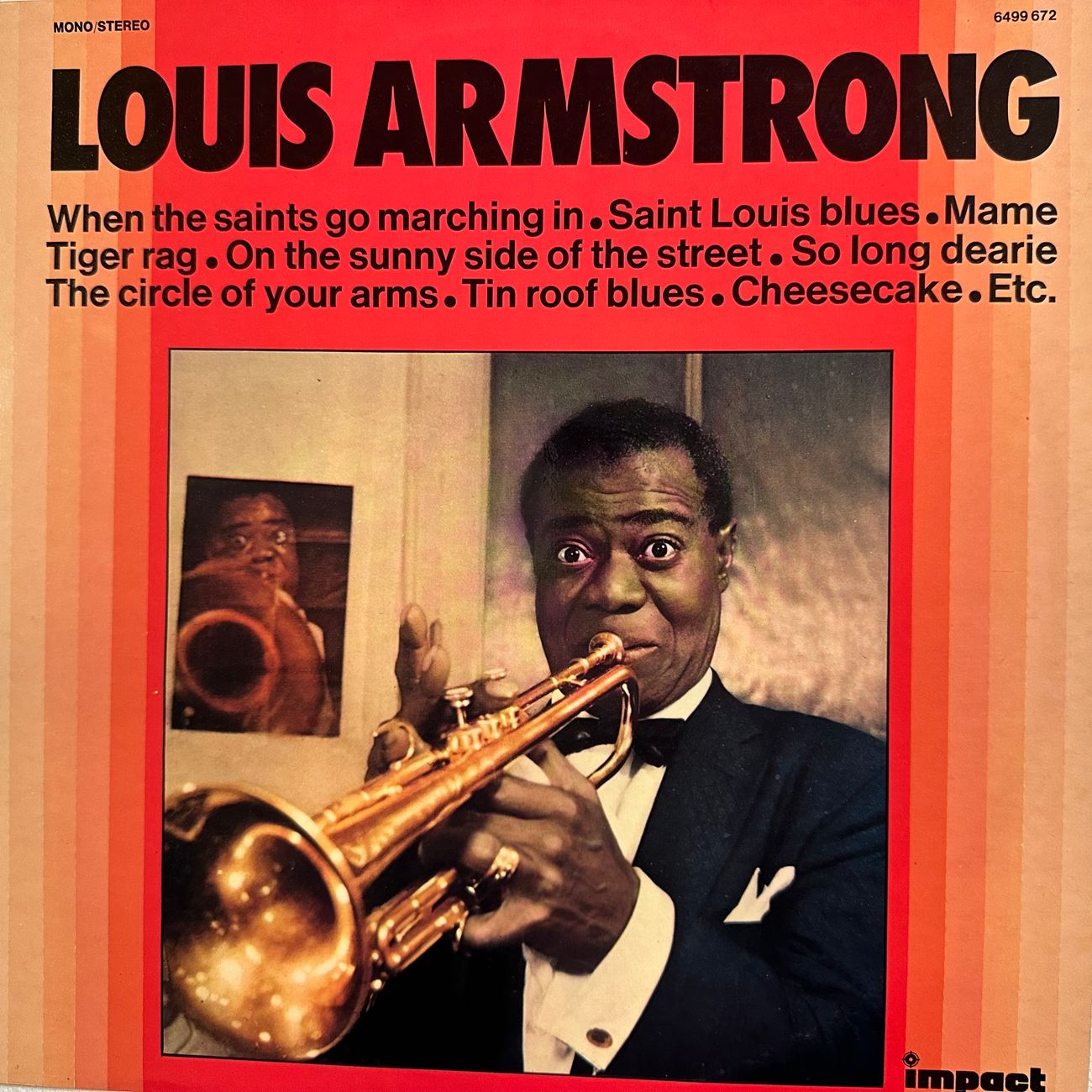
Louis Armstrong, often referred to as "Satchmo" or "Pops," was a foundational figure in jazz music, known for his charismatic stage presence and innovative skills as a trumpet player and vocalist. Born in New Orleans in 1901, Armstrong's career flourished from the 1920s through the 1960s, and he is celebrated for his profound impact on the world of jazz, with contributions that reverberate in the genre to this day. Musical Contributions: Armstrong was instrumental in the development of jazz as a soloist's art form. Before him, jazz was more about collective improvisation, but he transformed it by putting the soloist at the forefront, showcasing his remarkable skill on the trumpet and cornet. His playing featured incredible technique, characterized by a unique sense of rhythm and ability to bend the melodies in innovative ways that had a profound influence on the future directions of jazz. Vocal Style: As a vocalist, Armstrong had a distinctive, gravelly voice and was famous for his ability to convey emotion and personality in his singing. He was also one of the first to popularize scat singing—a vocal improvisation with wordless vocables and nonsense syllables, which mirrored his trumpet playing in its inventiveness. Key Recordings and Hits: Some of Armstrong's most famous recordings include "What a Wonderful World," "Stardust," "La Vie En Rose," and "Dream a Little Dream of Me." His version of "Hello, Dolly!" was a huge hit in 1964, displacing The Beatles from the top of the Billboard Hot 100 chart at the height of Beatlemania—an impressive feat illustrating his broad appeal. Cultural Impact: Beyond music, Armstrong's influence extended into the realm of civil rights; he used his prominent status to speak out against segregation and the mistreatment of Black Americans, though his approach was sometimes criticized for not being assertive enough. Nevertheless, his legacy as a pioneering musician and cultural ambassador is unassailable. Louis Armstrong passed away in 1971, but he remains an enduring figure in not only jazz but also the broader landscape of American music, celebrated for his joyful performances and his ability to connect with listeners around the world.
- Jazz
- Louis Armstrong
- 12 Inch
- USA
- Used
- Louis Armstrong, often referred to as "Satchmo" or "Pops," was a foundational figure in jazz music, known for his charismatic stage presence and innovative skills as a trumpet player and vocalist. Born in New Orleans in 1901, Armstrong's career flourished from the 1920s through the 1960s, and he is celebrated for his profound impact on the world of jazz, with contributions that reverberate in the genre to this day. Musical Contributions: Armstrong was instrumental in the development of jazz as a soloist's art form. Before him, jazz was more about collective improvisation, but he transformed it by putting the soloist at the forefront, showcasing his remarkable skill on the trumpet and cornet. His playing featured incredible technique, characterized by a unique sense of rhythm and ability to bend the melodies in innovative ways that had a profound influence on the future directions of jazz. Vocal Style: As a vocalist, Armstrong had a distinctive, gravelly voice and was famous for his ability to convey emotion and personality in his singing. He was also one of the first to popularize scat singing—a vocal improvisation with wordless vocables and nonsense syllables, which mirrored his trumpet playing in its inventiveness. Key Recordings and Hits: Some of Armstrong's most famous recordings include "What a Wonderful World," "Stardust," "La Vie En Rose," and "Dream a Little Dream of Me." His version of "Hello, Dolly!" was a huge hit in 1964, displacing The Beatles from the top of the Billboard Hot 100 chart at the height of Beatlemania—an impressive feat illustrating his broad appeal. Cultural Impact: Beyond music, Armstrong's influence extended into the realm of civil rights; he used his prominent status to speak out against segregation and the mistreatment of Black Americans, though his approach was sometimes criticized for not being assertive enough. Nevertheless, his legacy as a pioneering musician and cultural ambassador is unassailable. Louis Armstrong passed away in 1971, but he remains an enduring figure in not only jazz but also the broader landscape of American music, celebrated for his joyful performances and his ability to connect with listeners around the world.