




- Reggae
- Bob Marley
- 12 Inch
- Jamaican
- Used
- Bob Marley is one of the most iconic and influential musicians in the history of reggae music. Born Robert Nesta Marley on February 6, 1945, in Nine Mile, Jamaica, he became famous for popularizing reggae music worldwide and is celebrated for his poignant songwriting and distinctive vocal style. Marley's music often carried powerful messages of peace, unity, and resistance against oppression, deeply rooted in Rastafarian beliefs. His band, Bob Marley and the Wailers, produced numerous albums that have had a lasting impact on music and culture globally.
- Pop
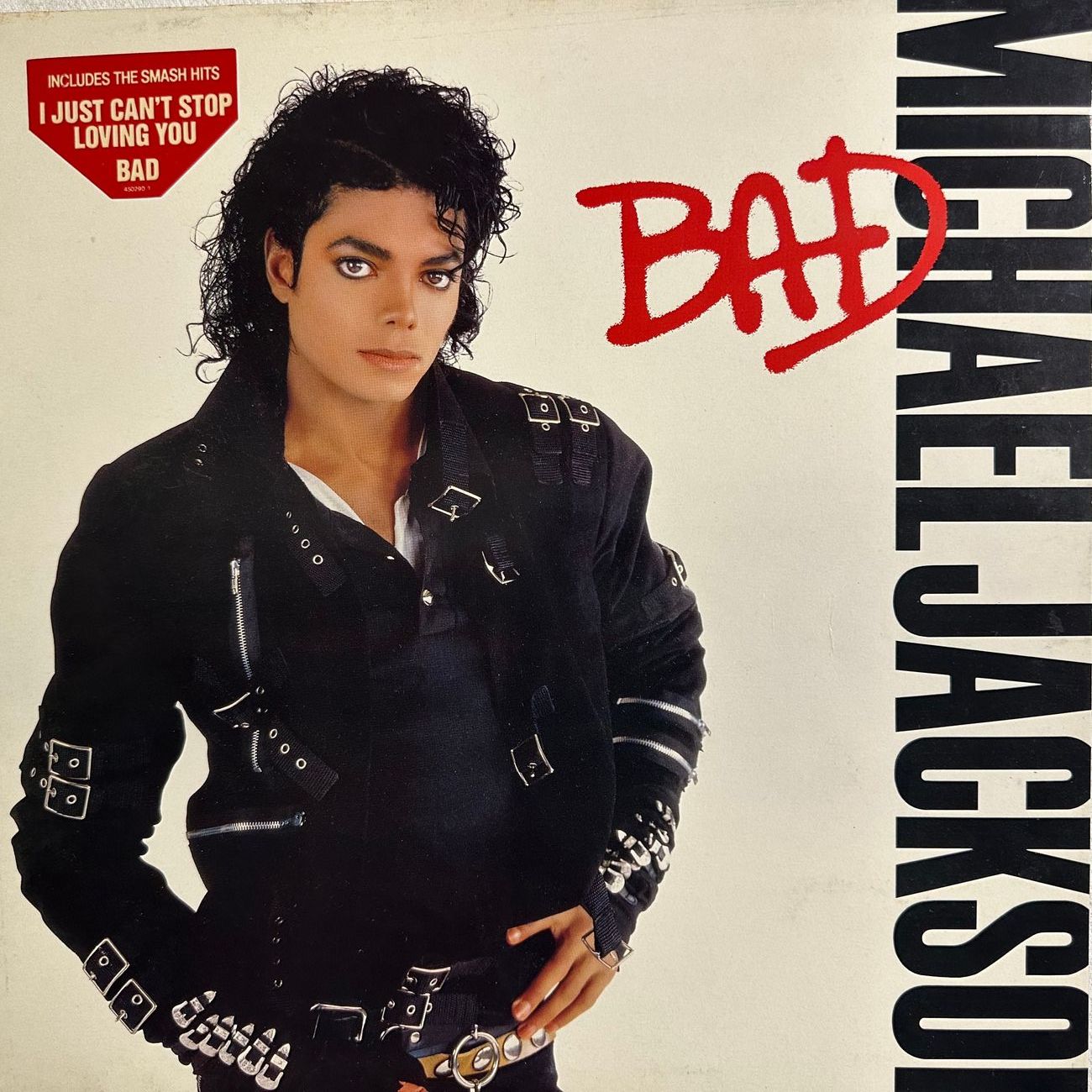
- Michael Jackson
- 12 Inch
- USA
- Used
- Michael Jackson's "Bad" is a monumental album in the history of pop music, released on August 31, 1987. This album followed his groundbreaking album "Thriller," and while facing immense pressure to meet or exceed the success of its predecessor, "Bad" proved to be a phenomenal success in its own right. Album Overview: "Bad" was the first album for which Jackson had the primary creative control, serving as the co-producer along with Quincy Jones. The album features a mix of pop, rock, funk, and R&B, and showcases Jackson's evolution as a songwriter and musician. He wrote nine of the album's eleven tracks, which delve into themes of media scrutiny, fame, personal struggles, and societal issues. Key Tracks: "Bad" - The album opens with its title track, a bold assertion of self-confidence and an iconic music video directed by Martin Scorsese. "The Way You Make Me Feel" - A groovy and romantic song that became a fan favorite. "Man in the Mirror" - A reflective and inspirational song about personal change and making a positive impact on the world. "Smooth Criminal" - Known for its compelling beat and the famous "anti-gravity lean" in the music video. "Dirty Diana" - A hard rock track that showcases Jackson's versatility and ability to cross genre boundaries. Reception: "Bad" was a commercial juggernaut, becoming the first album to produce five Billboard Hot 100 number-one singles. It received critical acclaim for its ambitious artistic scope and the strength of its singles. The album solidified Jackson's status as a global pop icon and was a staple of late 80s music. Vinyl Collectibility: As a vinyl record, "Bad" holds significant appeal among collectors. Vinyl enthusiasts and Michael Jackson fans cherish original pressings for their sound quality and the tangible connection to an era when Jackson was at the peak of his creative powers. The album artwork, featuring Jackson in a black leather suit against a stark white background, is iconic and instantly recognizable, making it a visually appealing addition to any collection. Collectors often seek out well-preserved copies of "Bad" not only for their musical and historical value but also for the quality of analog sound that vinyl can provide, which many believe enhances the listening experience of Jackson's dynamic production and vocal performance.
- Rock and Roll
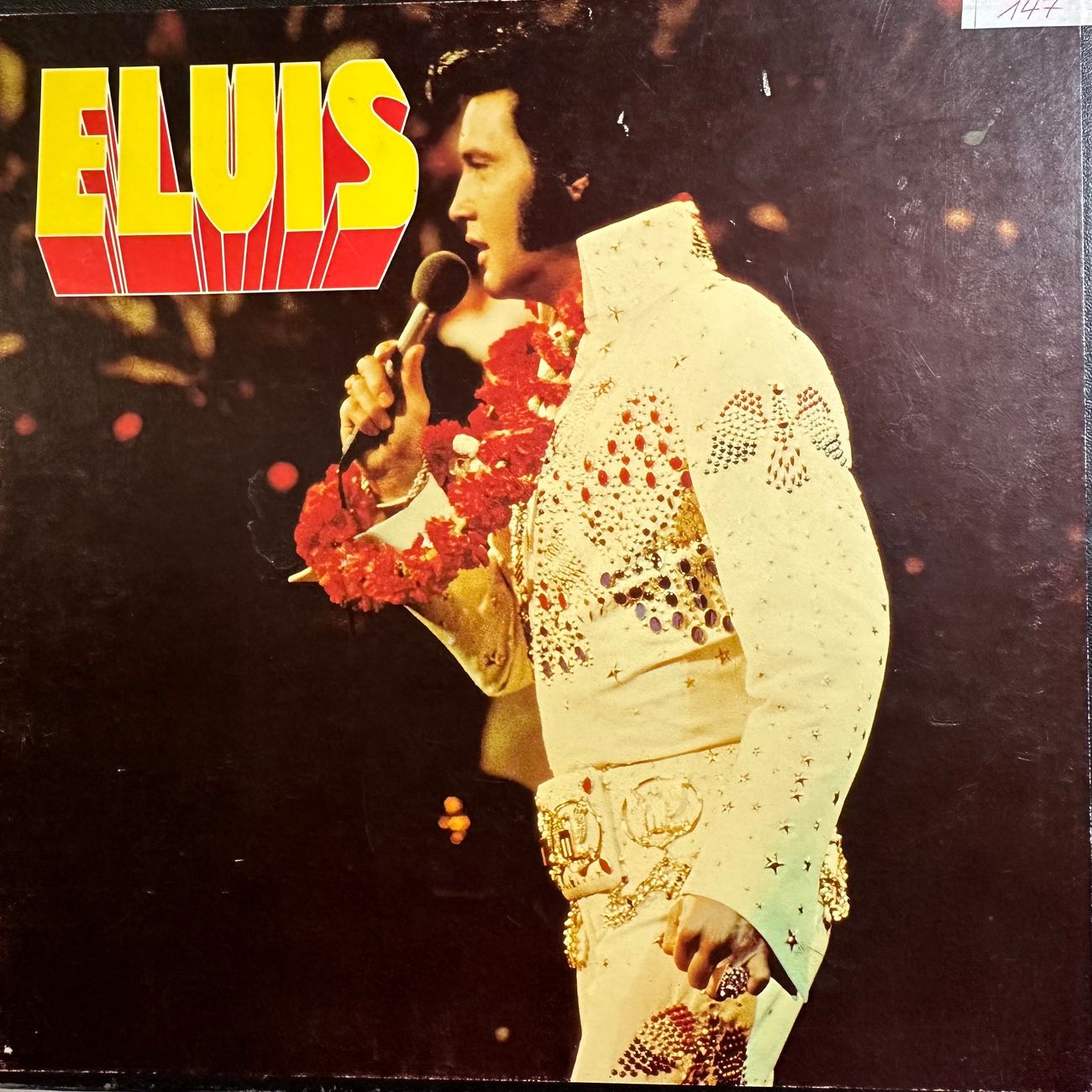
- Elvis Presley
- 12 Inch
- USA
- Used
- Elvis is one of the best-selling solo music artists worldwide, with estimated record sales of over 600 million units. His commercial success in the music industry remains unparalleled. Elvis had a profound impact on the development of rock and roll and popular music in general. He brought a blend of African-American blues, Christian gospel, and Southern country to a mass audience. He has numerous hit singles and albums, with more than 150 albums and singles certified gold, platinum, or multi-platinum by the Recording Industry Association of America (RIAA). Hits like "Heartbreak Hotel," "Jailhouse Rock," and "Suspicious Minds" are perennial favorites. Apart from music, Elvis also had a successful film career, starring in 31 feature films such as "Love Me Tender," "Viva Las Vegas," and "Blue Hawaii." These films, though often criticized for their lack of depth, were commercial successes and helped to solidify his status as a cultural icon. Elvis Presley's legacy is a complex amalgam of musical innovation, cultural shifts, and a personal story woven into the fabric of 20th-century music and entertainment. His life and work continue to be celebrated and studied for their profound impact on music and popular culture.
📦21 Products




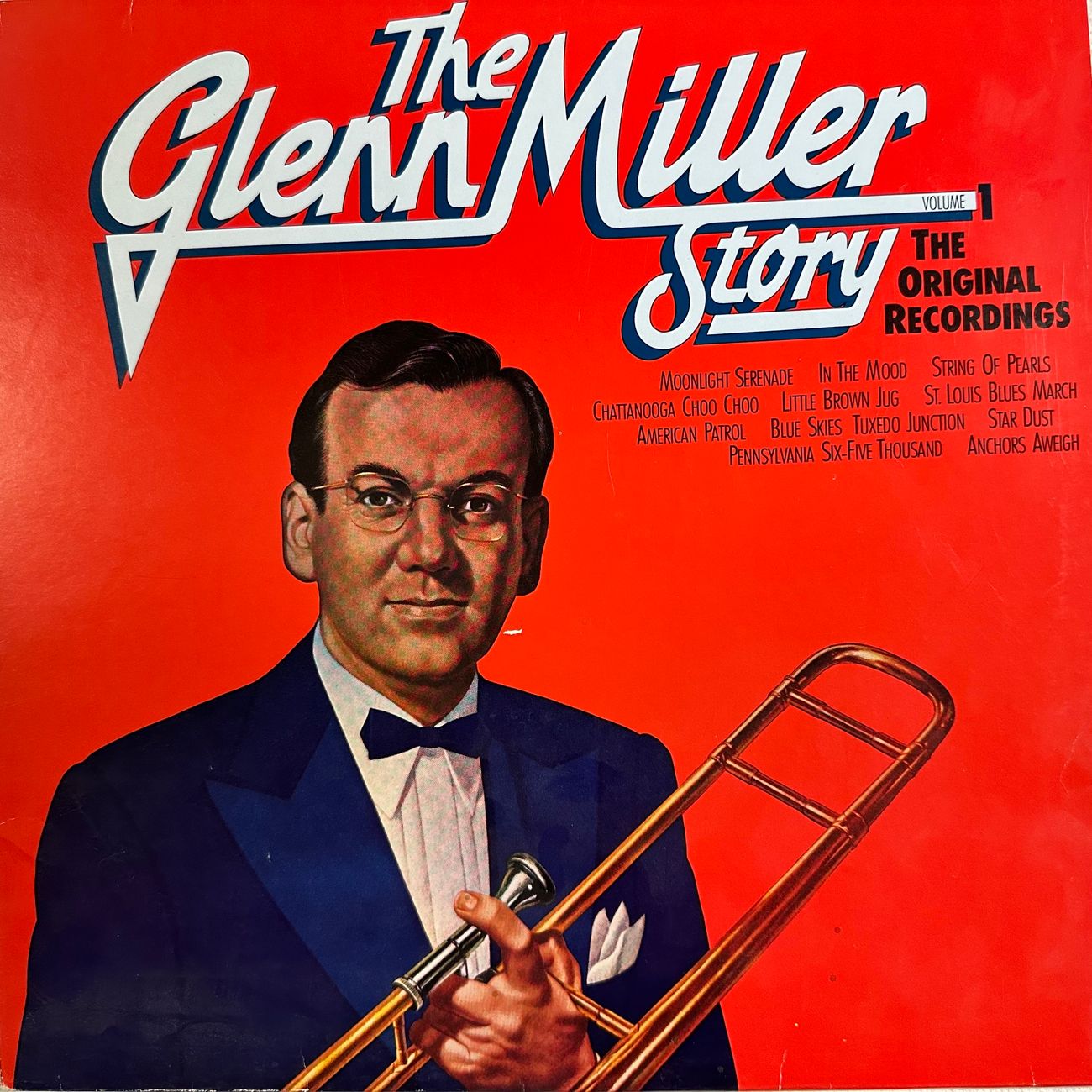
The Original Recordings
"The Glenn Miller Story" is a 1954 American biographical film about the life of swing music bandleader Glenn Miller, produced by Universal-International and directed by Anthony Mann. The movie stars James Stewart as Glenn Miller and June Allyson as his wife, Helen Burger Miller. Plot and Themes The film chronicles Glenn Miller's rise from obscurity to fame as one of the most successful bandleaders of the swing era, highlighting his dedication to creating a unique musical sound. The story follows his early days struggling to make a name for himself, his breakthrough successes, and his innovations in the music industry. Tragically, it also covers his untimely death in 1944 when his plane disappeared over the English Channel during World War II. Musical Score A key feature of "The Glenn Miller Story" is its focus on Miller's music, including iconic tunes like "Moonlight Serenade," "In the Mood," and "Tuxedo Junction." The film's soundtrack was immensely popular and played a significant role in reviving interest in Glenn Miller's music during the 1950s and beyond. Reception and Legacy The movie was a significant box office success and received positive reviews for its heartfelt storytelling and music. James Stewart's portrayal of Miller was widely praised, contributing to the film's emotional impact. The Glenn Miller Orchestra even participated in the film, lending authenticity and a poignant touch to the performance scenes. Awards "The Glenn Miller Story" was nominated for several Academy Awards and won for Best Sound Recording. It also received nominations for Best Screenplay and Best Score. Overall, "The Glenn Miller Story" remains a beloved classic, particularly appreciated by fans of Glenn Miller's music and those interested in the swing era of American music. Its success helped cement Miller's legacy as one of the leading figures in American popular music history.
- Soundtrack
- Soundtrack
- 12 Inch
- USA
- Used
- "The Glenn Miller Story" is a 1954 American biographical film about the life of swing music bandleader Glenn Miller, produced by Universal-International and directed by Anthony Mann. The movie stars James Stewart as Glenn Miller and June Allyson as his wife, Helen Burger Miller. Plot and Themes The film chronicles Glenn Miller's rise from obscurity to fame as one of the most successful bandleaders of the swing era, highlighting his dedication to creating a unique musical sound. The story follows his early days struggling to make a name for himself, his breakthrough successes, and his innovations in the music industry. Tragically, it also covers his untimely death in 1944 when his plane disappeared over the English Channel during World War II. Musical Score A key feature of "The Glenn Miller Story" is its focus on Miller's music, including iconic tunes like "Moonlight Serenade," "In the Mood," and "Tuxedo Junction." The film's soundtrack was immensely popular and played a significant role in reviving interest in Glenn Miller's music during the 1950s and beyond. Reception and Legacy The movie was a significant box office success and received positive reviews for its heartfelt storytelling and music. James Stewart's portrayal of Miller was widely praised, contributing to the film's emotional impact. The Glenn Miller Orchestra even participated in the film, lending authenticity and a poignant touch to the performance scenes. Awards "The Glenn Miller Story" was nominated for several Academy Awards and won for Best Sound Recording. It also received nominations for Best Screenplay and Best Score. Overall, "The Glenn Miller Story" remains a beloved classic, particularly appreciated by fans of Glenn Miller's music and those interested in the swing era of American music. Its success helped cement Miller's legacy as one of the leading figures in American popular music history.