



- Reggae
- Bob Marley
- 12 Inch
- Jamaican
- Used
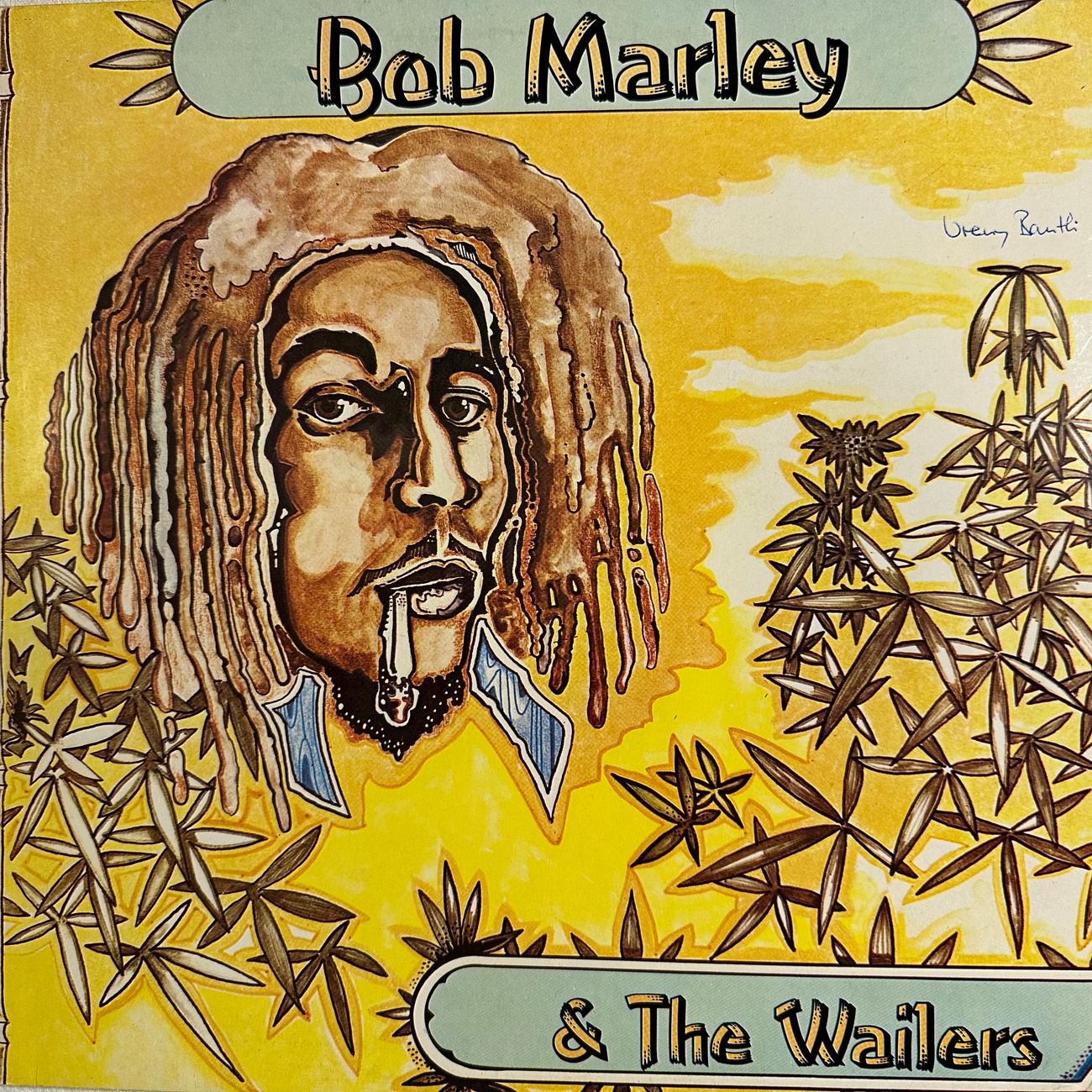
- Bob Marley is one of the most iconic and influential musicians in the history of reggae music. Born Robert Nesta Marley on February 6, 1945, in Nine Mile, Jamaica, he became famous for popularizing reggae music worldwide and is celebrated for his poignant songwriting and distinctive vocal style. Marley's music often carried powerful messages of peace, unity, and resistance against oppression, deeply rooted in Rastafarian beliefs. His band, Bob Marley and the Wailers, produced numerous albums that have had a lasting impact on music and culture globally.
- Pop
- Michael Jackson
- 12 Inch
- USA
- Used
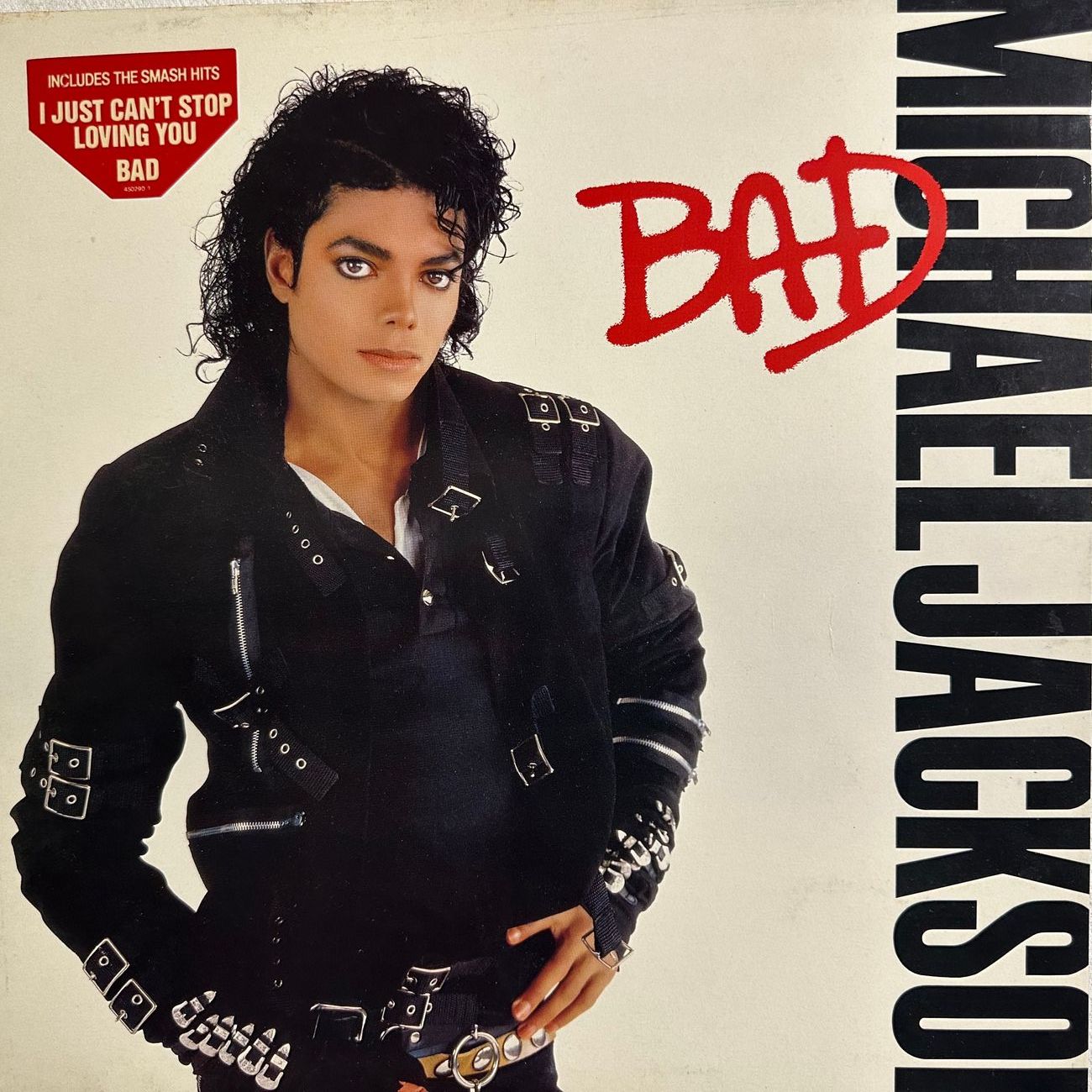
- Michael Jackson's "Bad" is a monumental album in the history of pop music, released on August 31, 1987. This album followed his groundbreaking album "Thriller," and while facing immense pressure to meet or exceed the success of its predecessor, "Bad" proved to be a phenomenal success in its own right. Album Overview: "Bad" was the first album for which Jackson had the primary creative control, serving as the co-producer along with Quincy Jones. The album features a mix of pop, rock, funk, and R&B, and showcases Jackson's evolution as a songwriter and musician. He wrote nine of the album's eleven tracks, which delve into themes of media scrutiny, fame, personal struggles, and societal issues. Key Tracks: "Bad" - The album opens with its title track, a bold assertion of self-confidence and an iconic music video directed by Martin Scorsese. "The Way You Make Me Feel" - A groovy and romantic song that became a fan favorite. "Man in the Mirror" - A reflective and inspirational song about personal change and making a positive impact on the world. "Smooth Criminal" - Known for its compelling beat and the famous "anti-gravity lean" in the music video. "Dirty Diana" - A hard rock track that showcases Jackson's versatility and ability to cross genre boundaries. Reception: "Bad" was a commercial juggernaut, becoming the first album to produce five Billboard Hot 100 number-one singles. It received critical acclaim for its ambitious artistic scope and the strength of its singles. The album solidified Jackson's status as a global pop icon and was a staple of late 80s music. Vinyl Collectibility: As a vinyl record, "Bad" holds significant appeal among collectors. Vinyl enthusiasts and Michael Jackson fans cherish original pressings for their sound quality and the tangible connection to an era when Jackson was at the peak of his creative powers. The album artwork, featuring Jackson in a black leather suit against a stark white background, is iconic and instantly recognizable, making it a visually appealing addition to any collection. Collectors often seek out well-preserved copies of "Bad" not only for their musical and historical value but also for the quality of analog sound that vinyl can provide, which many believe enhances the listening experience of Jackson's dynamic production and vocal performance.
- Rock and Roll
- Elvis Presley
- 12 Inch
- USA
- Used
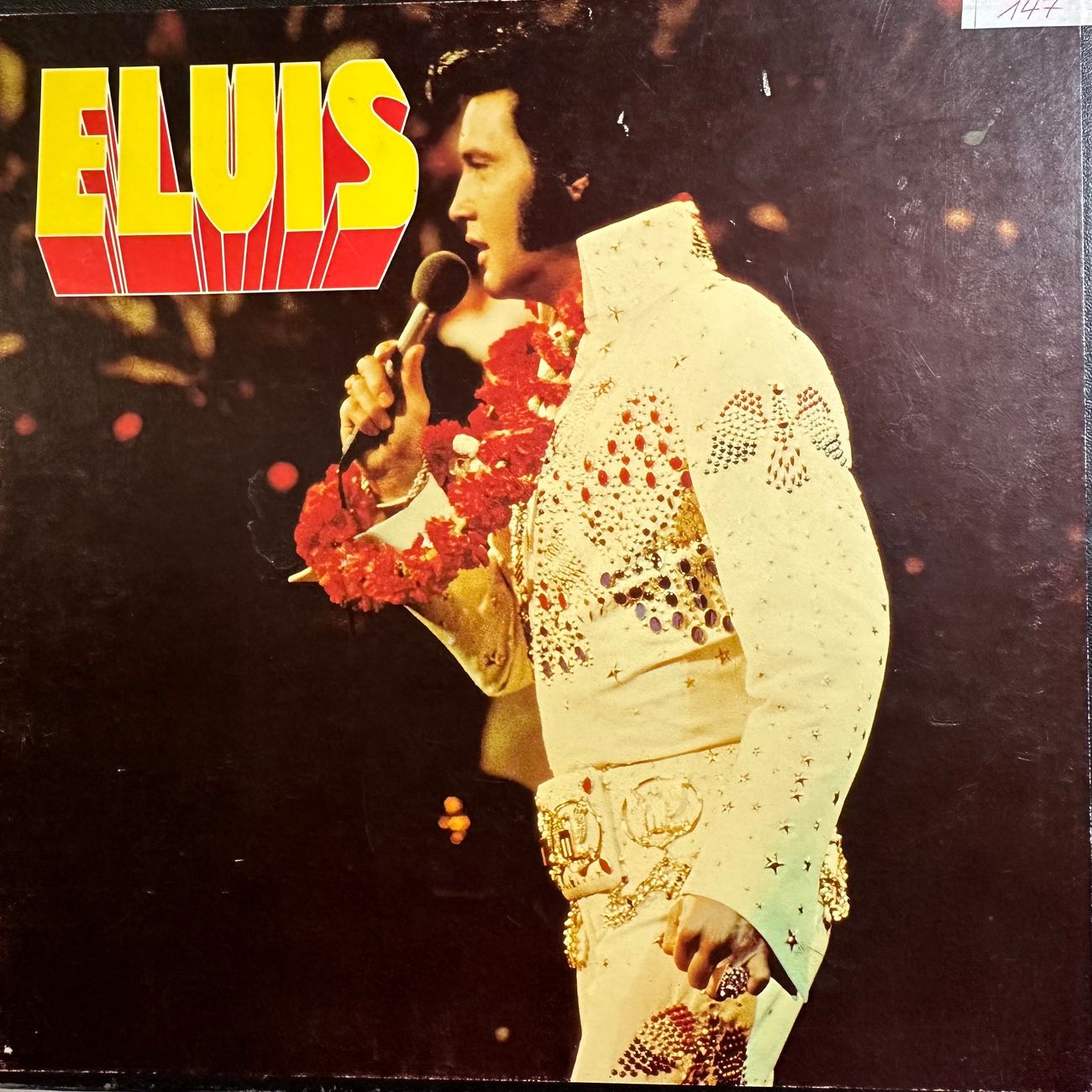
- Elvis is one of the best-selling solo music artists worldwide, with estimated record sales of over 600 million units. His commercial success in the music industry remains unparalleled. Elvis had a profound impact on the development of rock and roll and popular music in general. He brought a blend of African-American blues, Christian gospel, and Southern country to a mass audience. He has numerous hit singles and albums, with more than 150 albums and singles certified gold, platinum, or multi-platinum by the Recording Industry Association of America (RIAA). Hits like "Heartbreak Hotel," "Jailhouse Rock," and "Suspicious Minds" are perennial favorites. Apart from music, Elvis also had a successful film career, starring in 31 feature films such as "Love Me Tender," "Viva Las Vegas," and "Blue Hawaii." These films, though often criticized for their lack of depth, were commercial successes and helped to solidify his status as a cultural icon. Elvis Presley's legacy is a complex amalgam of musical innovation, cultural shifts, and a personal story woven into the fabric of 20th-century music and entertainment. His life and work continue to be celebrated and studied for their profound impact on music and popular culture.
📦312 Produkte





Foreigner's "Agent Provocateur" is the fifth studio album by the British-American rock band, released in December 1984. Known for blending rock with elements of pop and synthesizers, this album marked a high point in the band's commercial success, particularly with the hit single "I Want to Know What Love Is," which became a global phenomenon. Album Details: Produced by Mick Jones and Alex Sadkin, "Agent Provocateur" showcases Foreigner's ability to craft rock songs with strong melodic hooks and lush production. The album veers between hard rock, pop rock, and softer ballads, highlighting the band's versatility and the distinctive voice of lead singer Lou Gramm. Key Tracks: "I Want to Know What Love Is": This power ballad, featuring a gospel choir and an emotional vocal performance by Gramm, topped the charts in multiple countries and remains one of Foreigner's most beloved tracks. "That Was Yesterday": Another hit from the album, it features catchy lyrics and a strong synthesizer presence. "Reaction to Action": A more up-tempo rock song that showcases the band’s classic rock roots. "Down on Love": A ballad that highlights Foreigner’s softer, more introspective side. Reception: "Agent Provocateur" received mixed reviews from critics at the time of its release but was a commercial success. It was particularly well-received in the UK, where it reached the top of the charts. The album's blend of rock and pop elements, along with the massive success of "I Want to Know What Love Is," helped to cement Foreigner's status as a major arena rock band of the 1980s. Vinyl Collectibility: As a vinyl record, "Agent Provocateur" holds significant appeal for collectors and fans of 1980s rock music. The iconic cover art and the inclusion of several hit songs make it a desirable piece for those collecting vinyl from this era. The record is often sought for its nostalgic value and for the high-quality production that shines through on the analog format. Overall, "Agent Provocateur" represents a key period in Foreigner's career, capturing the band at a commercial peak with a polished sound that bridged the gap between rock and emerging pop trends of the mid-1980s.
- Hard Rock
- Foreigner
- 12 Inch
- British
- Foreigner's "Agent Provocateur" is the fifth studio album by the British-American rock band, released in December 1984. Known for blending rock with elements of pop and synthesizers, this album marked a high point in the band's commercial success, particularly with the hit single "I Want to Know What Love Is," which became a global phenomenon. Album Details: Produced by Mick Jones and Alex Sadkin, "Agent Provocateur" showcases Foreigner's ability to craft rock songs with strong melodic hooks and lush production. The album veers between hard rock, pop rock, and softer ballads, highlighting the band's versatility and the distinctive voice of lead singer Lou Gramm. Key Tracks: "I Want to Know What Love Is": This power ballad, featuring a gospel choir and an emotional vocal performance by Gramm, topped the charts in multiple countries and remains one of Foreigner's most beloved tracks. "That Was Yesterday": Another hit from the album, it features catchy lyrics and a strong synthesizer presence. "Reaction to Action": A more up-tempo rock song that showcases the band’s classic rock roots. "Down on Love": A ballad that highlights Foreigner’s softer, more introspective side. Reception: "Agent Provocateur" received mixed reviews from critics at the time of its release but was a commercial success. It was particularly well-received in the UK, where it reached the top of the charts. The album's blend of rock and pop elements, along with the massive success of "I Want to Know What Love Is," helped to cement Foreigner's status as a major arena rock band of the 1980s. Vinyl Collectibility: As a vinyl record, "Agent Provocateur" holds significant appeal for collectors and fans of 1980s rock music. The iconic cover art and the inclusion of several hit songs make it a desirable piece for those collecting vinyl from this era. The record is often sought for its nostalgic value and for the high-quality production that shines through on the analog format. Overall, "Agent Provocateur" represents a key period in Foreigner's career, capturing the band at a commercial peak with a polished sound that bridged the gap between rock and emerging pop trends of the mid-1980s.
24 of his Greatest Hits
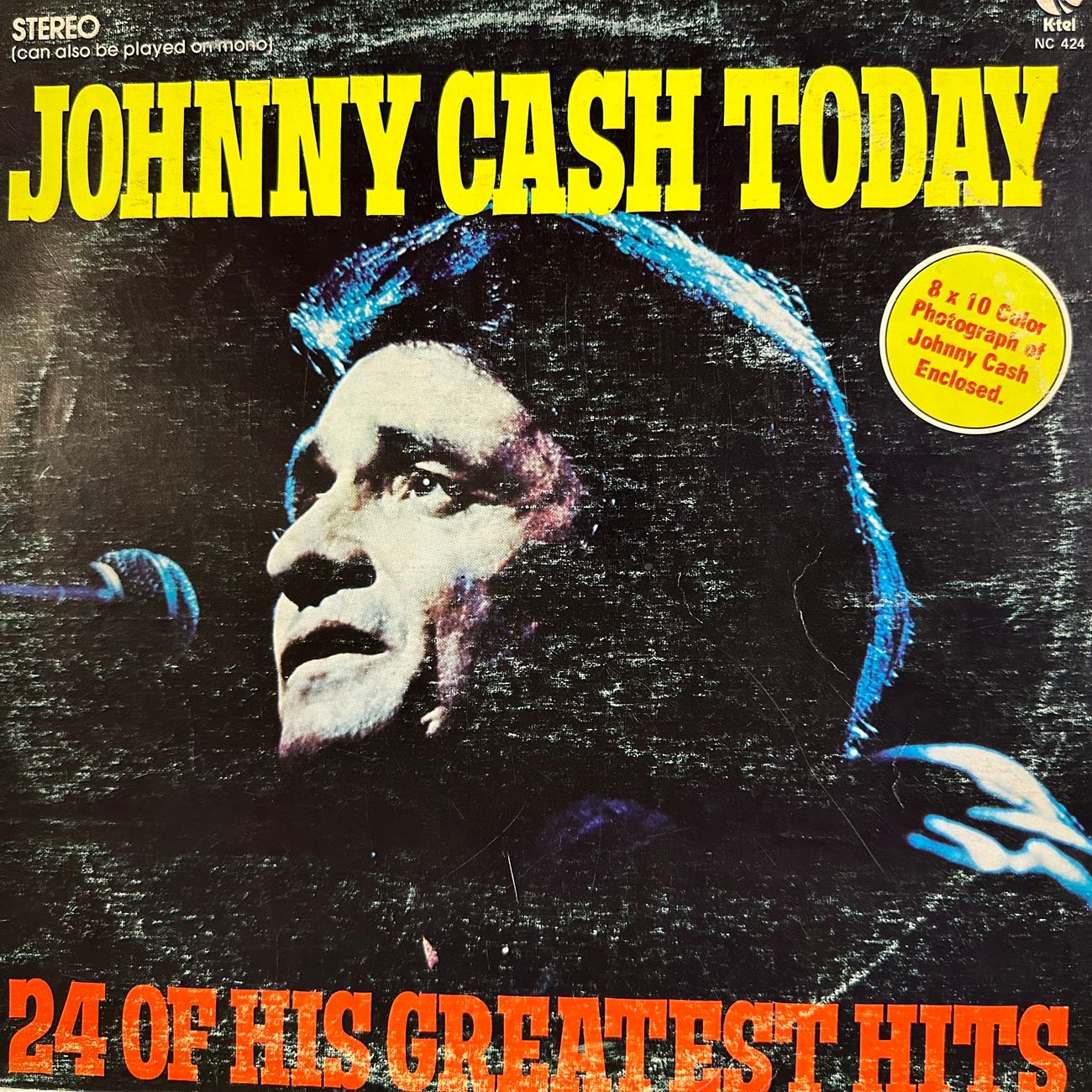
"Johnny Cash Today" is a studio album by Johnny Cash, released in 1972 on Columbia Records. This album is one of the many in Cash's extensive catalog and highlights his versatility and enduring appeal as a country music artist. It features a mix of contemporary covers and original songs, showcasing Cash's deep and resonant baritone voice against the backdrop of traditional country instrumentation. Album Details: "Johnny Cash Today" continues the trend of Cash covering songs by other artists, a practice he was well known for throughout his career. The album blends these covers with original material, providing a snapshot of Cash's sound and musical interests during this period. Key Tracks: While the exact track listing can vary depending on the pressing, "Johnny Cash Today" typically includes several standout tracks: Covers of contemporary hits, which Cash reinterprets with his unique style. Original songs that often reflect Cash's ongoing themes of love, redemption, and human struggle. Significance and Legacy: Albums like "Johnny Cash Today" contribute to understanding Cash's adaptability and his ability to remain relevant in the changing musical landscape of the 1970s. His approach to covering songs from a variety of genres helped to bridge the gap between traditional country music and the broader American music scene. Vinyl Collectibility: As with many of Johnny Cash's albums, vinyl pressings of "Johnny Cash Today" are valued by collectors for their historical and artistic significance. The warm analog sound of vinyl records complements Cash’s vocal style, making these albums particularly appealing for audiophiles and fans. For those interested in the breadth of Johnny Cash's career, this album offers insights into his musical direction in the early 1970s and his efforts to both preserve and evolve the country music genre. Collectors and fans often seek out such albums to complete their understanding of Cash's vast and varied output.
- Country
- Johnny Cash
- 12 Inch
- USA
- Used
- "Johnny Cash Today" is a studio album by Johnny Cash, released in 1972 on Columbia Records. This album is one of the many in Cash's extensive catalog and highlights his versatility and enduring appeal as a country music artist. It features a mix of contemporary covers and original songs, showcasing Cash's deep and resonant baritone voice against the backdrop of traditional country instrumentation. Album Details: "Johnny Cash Today" continues the trend of Cash covering songs by other artists, a practice he was well known for throughout his career. The album blends these covers with original material, providing a snapshot of Cash's sound and musical interests during this period. Key Tracks: While the exact track listing can vary depending on the pressing, "Johnny Cash Today" typically includes several standout tracks: Covers of contemporary hits, which Cash reinterprets with his unique style. Original songs that often reflect Cash's ongoing themes of love, redemption, and human struggle. Significance and Legacy: Albums like "Johnny Cash Today" contribute to understanding Cash's adaptability and his ability to remain relevant in the changing musical landscape of the 1970s. His approach to covering songs from a variety of genres helped to bridge the gap between traditional country music and the broader American music scene. Vinyl Collectibility: As with many of Johnny Cash's albums, vinyl pressings of "Johnny Cash Today" are valued by collectors for their historical and artistic significance. The warm analog sound of vinyl records complements Cash’s vocal style, making these albums particularly appealing for audiophiles and fans. For those interested in the breadth of Johnny Cash's career, this album offers insights into his musical direction in the early 1970s and his efforts to both preserve and evolve the country music genre. Collectors and fans often seek out such albums to complete their understanding of Cash's vast and varied output.
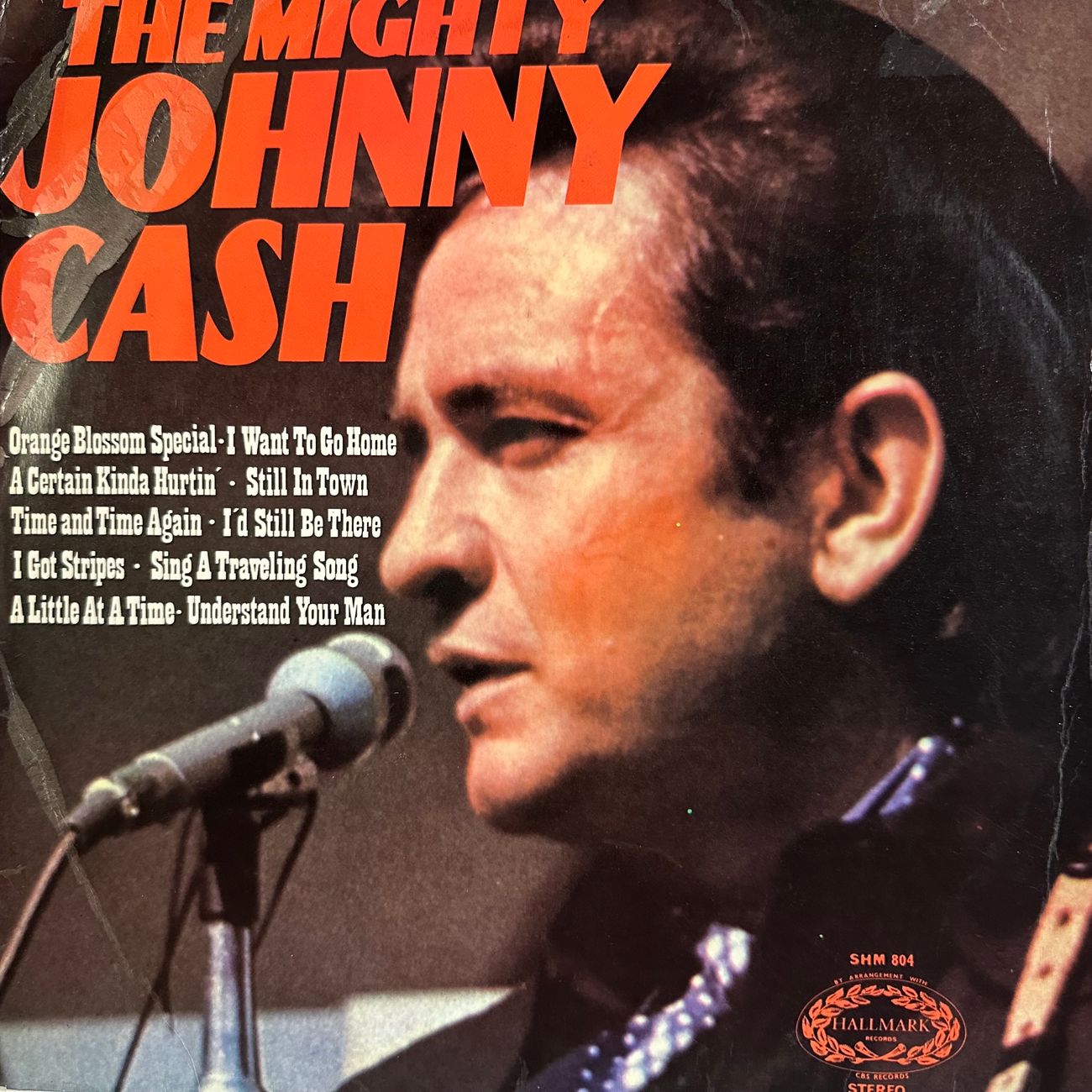
"The Mighty Johnny Cash" is an album by Johnny Cash, released in 1969. This album is part of a prolific period in Cash's career, characterized by a series of successful albums that helped to cement his reputation as a country music legend and a cultural icon. Album Details: "The Mighty Johnny Cash" is one of the many compilations released over the years that celebrate his broad appeal and the depth of his music. The album includes a selection of songs that highlight Cash’s signature sound, characterized by his deep, resonant voice and distinctive, sparse backing. Key Tracks: While the specific tracklist for "The Mighty Johnny Cash" can vary depending on the pressing and release version, albums from this period often included both hits and lesser-known tracks that showcase Cash’s versatility. His music typically explores themes such as sorrow, moral tribulation, and redemption, reflecting his deep personal convictions and the struggles he faced throughout his life. Significance and Legacy: Albums like "The Mighty Johnny Cash" contribute to the ongoing appreciation of Cash’s work, serving both longtime fans and new listeners. His ability to connect with audiences through storytelling, his authenticity, and his unique blend of country, rock, gospel, and folk influences, make compilations like this a valuable part of his discography. Vinyl Collectibility: Johnny Cash vinyl albums are highly prized among collectors. The warmth of vinyl records complements Cash's voice and style well, making original pressings and well-maintained reissues sought after for their audio quality and nostalgic value. "The Mighty Johnny Cash" holds appeal not just for its musical content but also as a piece of music history, capturing the essence of Cash's impact on music and culture. Collectors of Johnny Cash’s vinyl records often look for albums that represent significant phases of his career, and "The Mighty Johnny Cash" is an example of such a phase, highlighting his enduring legacy in American music.
- Country
- Johnny Cash
- 12 Inch
- USA
- Used
- "The Mighty Johnny Cash" is an album by Johnny Cash, released in 1969. This album is part of a prolific period in Cash's career, characterized by a series of successful albums that helped to cement his reputation as a country music legend and a cultural icon. Album Details: "The Mighty Johnny Cash" is one of the many compilations released over the years that celebrate his broad appeal and the depth of his music. The album includes a selection of songs that highlight Cash’s signature sound, characterized by his deep, resonant voice and distinctive, sparse backing. Key Tracks: While the specific tracklist for "The Mighty Johnny Cash" can vary depending on the pressing and release version, albums from this period often included both hits and lesser-known tracks that showcase Cash’s versatility. His music typically explores themes such as sorrow, moral tribulation, and redemption, reflecting his deep personal convictions and the struggles he faced throughout his life. Significance and Legacy: Albums like "The Mighty Johnny Cash" contribute to the ongoing appreciation of Cash’s work, serving both longtime fans and new listeners. His ability to connect with audiences through storytelling, his authenticity, and his unique blend of country, rock, gospel, and folk influences, make compilations like this a valuable part of his discography. Vinyl Collectibility: Johnny Cash vinyl albums are highly prized among collectors. The warmth of vinyl records complements Cash's voice and style well, making original pressings and well-maintained reissues sought after for their audio quality and nostalgic value. "The Mighty Johnny Cash" holds appeal not just for its musical content but also as a piece of music history, capturing the essence of Cash's impact on music and culture. Collectors of Johnny Cash’s vinyl records often look for albums that represent significant phases of his career, and "The Mighty Johnny Cash" is an example of such a phase, highlighting his enduring legacy in American music.
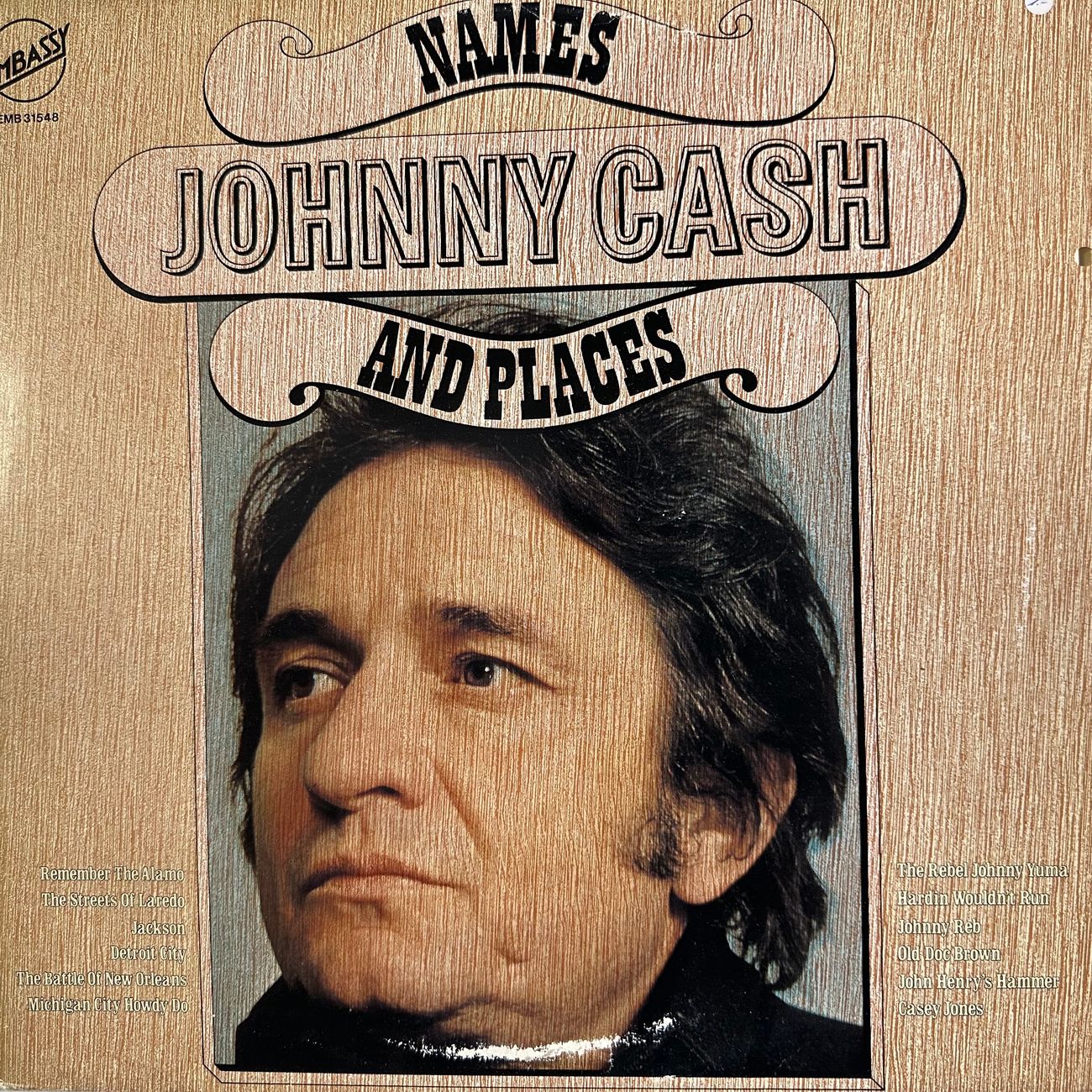
"Names and Places" isn't one of the most commonly referenced albums in Johnny Cash's discography, and it appears there might be some confusion or rarity associated with this title. Johnny Cash's career spanned numerous albums and compilations, many of which are well-documented. However, "Names and Places" doesn't immediately match the title of a widely recognized studio album or official compilation by him. Possible Explanation: Misremembered Title: It's possible the album title is being misremembered. Johnny Cash released many albums with titles focused on specific themes, including "American Recordings," "Ride This Train," and "Songs of Our Soil," among others, which include songs about various American places and stories. Bootleg or Unofficial Release: There are also numerous unofficial releases and bootlegs of Johnny Cash's work. "Names and Places" could potentially be a lesser-known or unofficial compilation not widely recognized in mainstream catalogs. Specific Release in a Non-US Market: Occasionally, albums have different titles in various markets or are released only in specific regions. This scenario might be true for "Names and Places" if it exists under that name. Recommendation for Exploration: To delve into Johnny Cash’s exploration of various names and places through his music, you might consider listening to some of his concept albums or collections that showcase his storytelling prowess: "America: A 200-Year Salute in Story and Song" (1972): This album is a concept album that traverses American history and geography through song. "Johnny Cash Sings the Ballads of the True West" (1965): An ambitious double album focusing on the American West.
- Country
- Johnny Cash
- 12 Inch
- USA
- Used
- "Names and Places" isn't one of the most commonly referenced albums in Johnny Cash's discography, and it appears there might be some confusion or rarity associated with this title. Johnny Cash's career spanned numerous albums and compilations, many of which are well-documented. However, "Names and Places" doesn't immediately match the title of a widely recognized studio album or official compilation by him. Possible Explanation: Misremembered Title: It's possible the album title is being misremembered. Johnny Cash released many albums with titles focused on specific themes, including "American Recordings," "Ride This Train," and "Songs of Our Soil," among others, which include songs about various American places and stories. Bootleg or Unofficial Release: There are also numerous unofficial releases and bootlegs of Johnny Cash's work. "Names and Places" could potentially be a lesser-known or unofficial compilation not widely recognized in mainstream catalogs. Specific Release in a Non-US Market: Occasionally, albums have different titles in various markets or are released only in specific regions. This scenario might be true for "Names and Places" if it exists under that name. Recommendation for Exploration: To delve into Johnny Cash’s exploration of various names and places through his music, you might consider listening to some of his concept albums or collections that showcase his storytelling prowess: "America: A 200-Year Salute in Story and Song" (1972): This album is a concept album that traverses American history and geography through song. "Johnny Cash Sings the Ballads of the True West" (1965): An ambitious double album focusing on the American West.
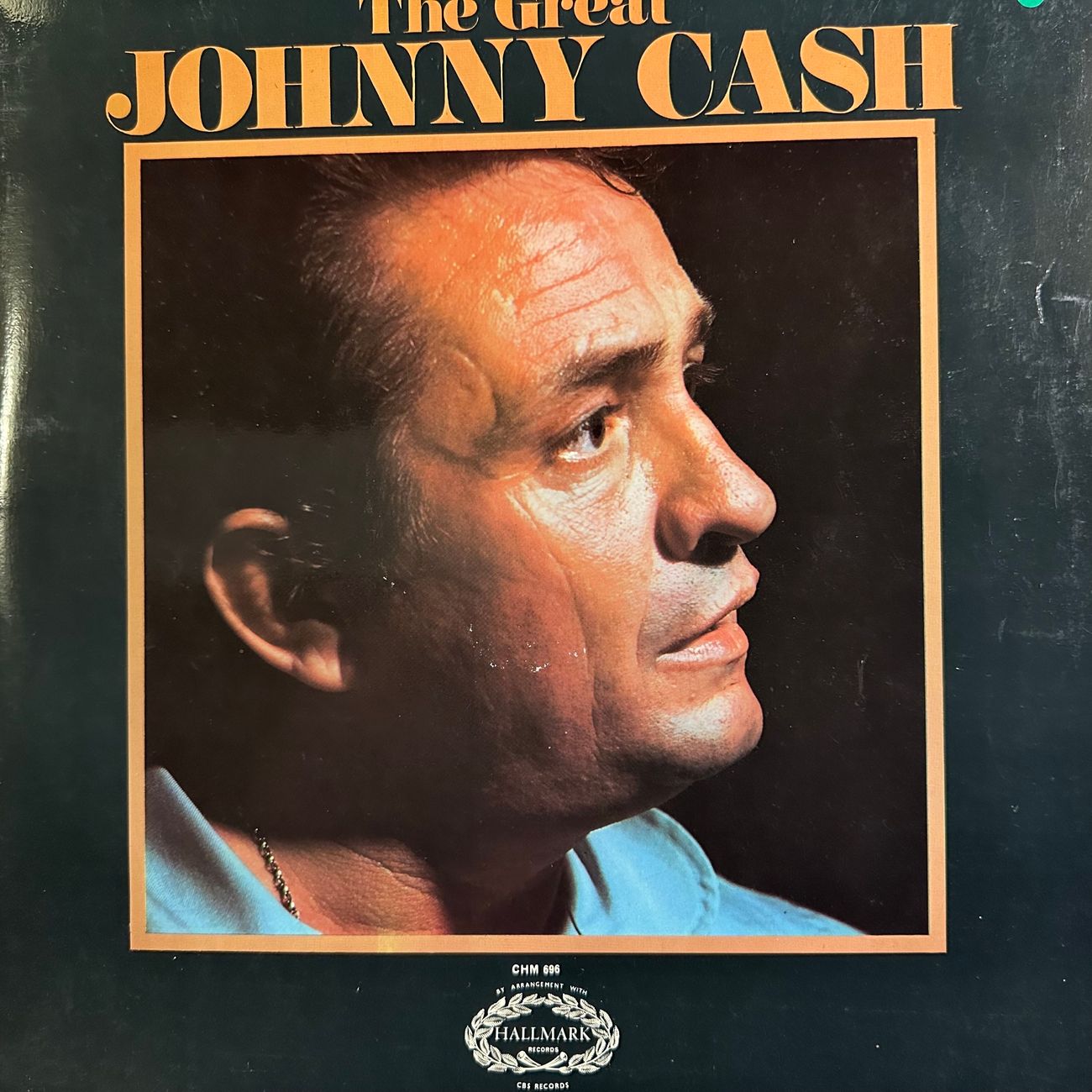
"The Great Johnny Cash" is often a title associated with various compilations and albums by the iconic American singer-songwriter Johnny Cash. Given that Johnny Cash's career spanned several decades and included a multitude of albums, there are multiple compilations that could be referred to as "The Great Johnny Cash," each aiming to showcase different aspects of his extensive body of work. Career Overview: Johnny Cash, known for his deep, calm bass-baritone voice, and the "boom-chicka-boom" sound of his backing band, The Tennessee Three, had a profound influence on both country and rock music. His music often focused on themes like sorrow, moral tribulation, and redemption, heavily influenced by his personal life and struggles. Significant Albums: Among his most famous albums are: "At Folsom Prison" (1968): A live album recorded at Folsom State Prison, which revitalized Cash's career, featuring songs like "Folsom Prison Blues." "Ring of Fire: The Best of Johnny Cash" (1963): A studio album that features some of his biggest hits, including "Ring of Fire" written by June Carter Cash and Merle Kilgore. Compilations: Various compilations have been released over the years under titles that include phrases like "The Great Johnny Cash." These collections typically include hits such as: "I Walk the Line" "Ring of Fire" "Man in Black" "Hurt" (from his American Recordings sessions with producer Rick Rubin) Vinyl Collectibility: Vinyl records of Johnny Cash, particularly original pressings or special compilations, are highly prized among collectors. His music's timeless appeal, coupled with the rich warmth that vinyl adds to his already deep and resonant voice, makes these records cherished possessions. Legacy: Johnny Cash is celebrated not only for his music but also for his larger-than-life persona and his ability to bridge the gap between different music genres and fan bases. He remains a towering figure in American music, respected by fans of country, rock, folk, and beyond. For anyone looking to explore "The Great Johnny Cash" on vinyl, it would be useful to specify a particular compilation or seek out original albums that best capture the breadth of his influential career.
- Country
- Johnny Cash
- 12 Inch
- USA
- Used
- "The Great Johnny Cash" is often a title associated with various compilations and albums by the iconic American singer-songwriter Johnny Cash. Given that Johnny Cash's career spanned several decades and included a multitude of albums, there are multiple compilations that could be referred to as "The Great Johnny Cash," each aiming to showcase different aspects of his extensive body of work. Career Overview: Johnny Cash, known for his deep, calm bass-baritone voice, and the "boom-chicka-boom" sound of his backing band, The Tennessee Three, had a profound influence on both country and rock music. His music often focused on themes like sorrow, moral tribulation, and redemption, heavily influenced by his personal life and struggles. Significant Albums: Among his most famous albums are: "At Folsom Prison" (1968): A live album recorded at Folsom State Prison, which revitalized Cash's career, featuring songs like "Folsom Prison Blues." "Ring of Fire: The Best of Johnny Cash" (1963): A studio album that features some of his biggest hits, including "Ring of Fire" written by June Carter Cash and Merle Kilgore. Compilations: Various compilations have been released over the years under titles that include phrases like "The Great Johnny Cash." These collections typically include hits such as: "I Walk the Line" "Ring of Fire" "Man in Black" "Hurt" (from his American Recordings sessions with producer Rick Rubin) Vinyl Collectibility: Vinyl records of Johnny Cash, particularly original pressings or special compilations, are highly prized among collectors. His music's timeless appeal, coupled with the rich warmth that vinyl adds to his already deep and resonant voice, makes these records cherished possessions. Legacy: Johnny Cash is celebrated not only for his music but also for his larger-than-life persona and his ability to bridge the gap between different music genres and fan bases. He remains a towering figure in American music, respected by fans of country, rock, folk, and beyond. For anyone looking to explore "The Great Johnny Cash" on vinyl, it would be useful to specify a particular compilation or seek out original albums that best capture the breadth of his influential career.

Peter Reber is a Swiss musician known for his contributions to Swiss pop and folk music. "Dr Sunne entgäge" (translated as "Towards the Sun") is an album by Peter Reber that exemplifies his style, which often includes lyrical, melodic songs with deep emotional and poetic content. Reber's music typically reflects themes of love, nature, and everyday life, resonating strongly with Swiss culture and landscapes. Album Details: Although specific details about the album "Dr Sunne entgäge" are not widely documented in international music databases, Peter Reber’s work, in general, is characterized by its gentle and heartwarming arrangements. His songs are often sung in Swiss German, which adds a layer of regional authenticity and charm. Musical Style and Contributions: Peter Reber started his career as a member of the folk music trio Peter, Sue & Marc, a group famous for representing Switzerland multiple times at the Eurovision Song Contest with songs that were hits both domestically and in parts of Europe. After the trio disbanded, Reber continued a successful solo career, producing albums that often featured a blend of pop and folk influences. Reception and Legacy: Peter Reber’s music, including albums like "Dr Sunne entgäge," has been well-received, particularly in the Swiss-German part of Switzerland, where he is regarded as an iconic figure in the music scene. His work has contributed significantly to Swiss music and culture, with his songs frequently played on Swiss radio and covered by other artists. Vinyl Collectibility: Albums by Peter Reber, especially on vinyl, are valued by collectors who appreciate Swiss music and the unique sound of Swiss German pop and folk. His vinyl records are cherished not just for the music but also for their cultural significance and the connection they provide to Swiss heritage. For fans of Swiss music or those interested in the rich tapestry of European folk-pop music, Peter Reber's "Dr Sunne entgäge" offers a delightful auditory experience that captures the essence of Switzerland's musical and cultural landscape.
- Folk Music
- Peter Reber
- 12 Inch
- Swiss
- Used
- Peter Reber is a Swiss musician known for his contributions to Swiss pop and folk music. "Dr Sunne entgäge" (translated as "Towards the Sun") is an album by Peter Reber that exemplifies his style, which often includes lyrical, melodic songs with deep emotional and poetic content. Reber's music typically reflects themes of love, nature, and everyday life, resonating strongly with Swiss culture and landscapes. Album Details: Although specific details about the album "Dr Sunne entgäge" are not widely documented in international music databases, Peter Reber’s work, in general, is characterized by its gentle and heartwarming arrangements. His songs are often sung in Swiss German, which adds a layer of regional authenticity and charm. Musical Style and Contributions: Peter Reber started his career as a member of the folk music trio Peter, Sue & Marc, a group famous for representing Switzerland multiple times at the Eurovision Song Contest with songs that were hits both domestically and in parts of Europe. After the trio disbanded, Reber continued a successful solo career, producing albums that often featured a blend of pop and folk influences. Reception and Legacy: Peter Reber’s music, including albums like "Dr Sunne entgäge," has been well-received, particularly in the Swiss-German part of Switzerland, where he is regarded as an iconic figure in the music scene. His work has contributed significantly to Swiss music and culture, with his songs frequently played on Swiss radio and covered by other artists. Vinyl Collectibility: Albums by Peter Reber, especially on vinyl, are valued by collectors who appreciate Swiss music and the unique sound of Swiss German pop and folk. His vinyl records are cherished not just for the music but also for their cultural significance and the connection they provide to Swiss heritage. For fans of Swiss music or those interested in the rich tapestry of European folk-pop music, Peter Reber's "Dr Sunne entgäge" offers a delightful auditory experience that captures the essence of Switzerland's musical and cultural landscape.
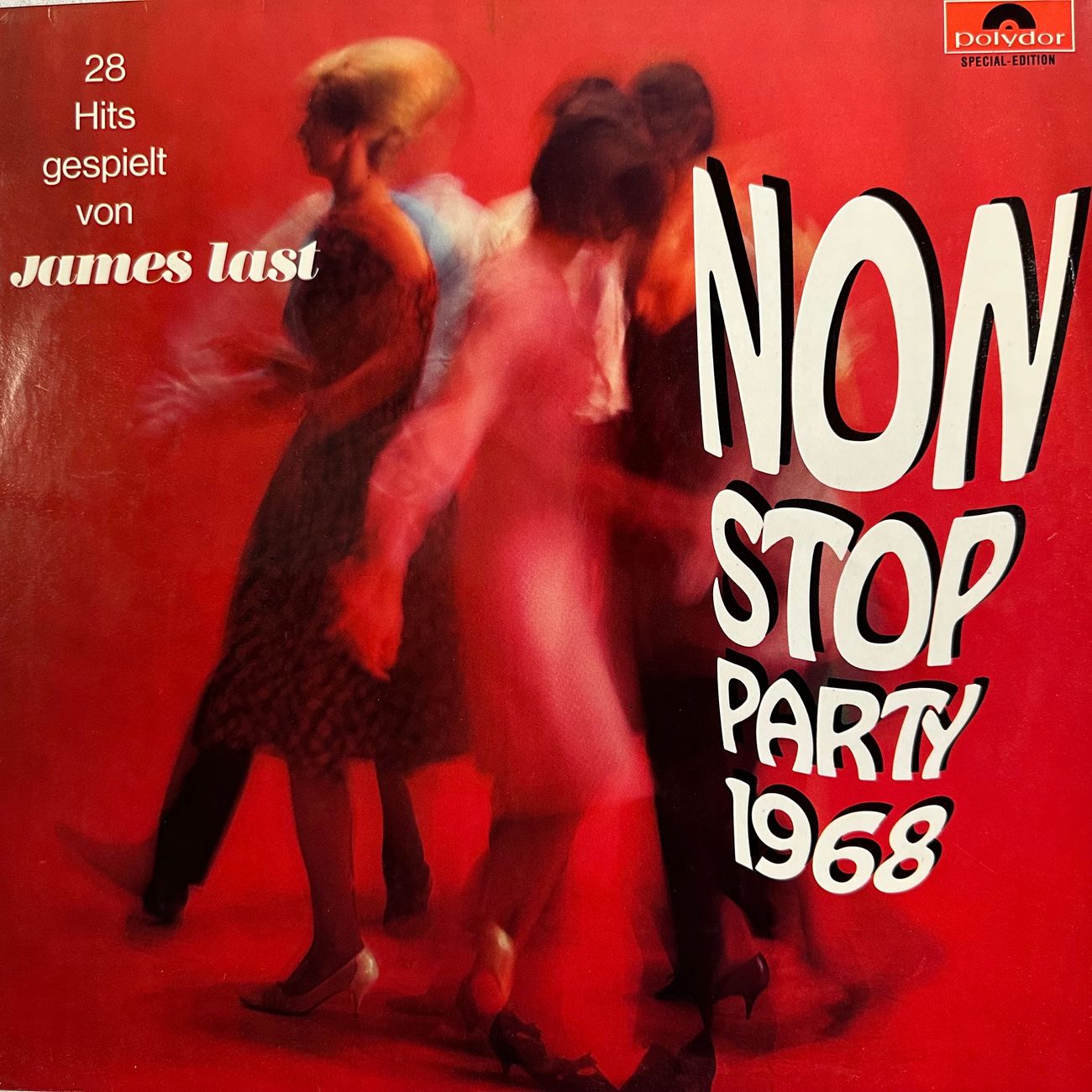
"Non Stop Party" from 1968 refers to an album by James Last, a German composer and big band leader known for his "easy listening" and "party music" style. James Last was particularly famous during the 1960s and 1970s for producing a series of albums designed to be played at parties, featuring medleys of popular songs of the time, played in a continuous, non-stop format. Album Overview: "Non Stop Party" is characteristic of James Last's style, blending various hits into seamless transitions, ensuring the music kept going without interruptions — ideal for party settings. His arrangements typically included a full orchestra and aimed to create an upbeat, joyful atmosphere. Musical Style: James Last's music often featured lush orchestrations, with a strong emphasis on brass and rhythm sections. The songs included in his party albums ranged from popular chart-toppers to traditional folk melodies, all arranged in a way that was uniquely 'James Last'. This approach made his music widely accessible and popular across different age groups and nationalities. Impact and Legacy: James Last's "Non Stop Party" series contributed significantly to his reputation as a master of party music. His albums were immensely popular in Europe and gained a dedicated following around the world. The "Non Stop Party" albums are a testament to his ability to adapt and stylize contemporary hits for a broader audience, making them timeless pieces for easy listening and celebratory occasions. Vinyl Collectibility: Vinyl records of James Last's "Non Stop Party" are cherished by collectors who appreciate easy listening and orchestral pop music. The albums are often sought for their nostalgic value and their unique take on popular songs of the time. Collectors and enthusiasts enjoy the quality of the recordings and the craftsmanship in the orchestral arrangements, which are highlighted in the vinyl format. Overall, "Non Stop Party" and other James Last albums are notable for their contribution to the easy listening genre and their ability to bring joy and a festive atmosphere through music.
- Big Band
- James Last
- 12 Inch
- German
- Used
- "Non Stop Party" from 1968 refers to an album by James Last, a German composer and big band leader known for his "easy listening" and "party music" style. James Last was particularly famous during the 1960s and 1970s for producing a series of albums designed to be played at parties, featuring medleys of popular songs of the time, played in a continuous, non-stop format. Album Overview: "Non Stop Party" is characteristic of James Last's style, blending various hits into seamless transitions, ensuring the music kept going without interruptions — ideal for party settings. His arrangements typically included a full orchestra and aimed to create an upbeat, joyful atmosphere. Musical Style: James Last's music often featured lush orchestrations, with a strong emphasis on brass and rhythm sections. The songs included in his party albums ranged from popular chart-toppers to traditional folk melodies, all arranged in a way that was uniquely 'James Last'. This approach made his music widely accessible and popular across different age groups and nationalities. Impact and Legacy: James Last's "Non Stop Party" series contributed significantly to his reputation as a master of party music. His albums were immensely popular in Europe and gained a dedicated following around the world. The "Non Stop Party" albums are a testament to his ability to adapt and stylize contemporary hits for a broader audience, making them timeless pieces for easy listening and celebratory occasions. Vinyl Collectibility: Vinyl records of James Last's "Non Stop Party" are cherished by collectors who appreciate easy listening and orchestral pop music. The albums are often sought for their nostalgic value and their unique take on popular songs of the time. Collectors and enthusiasts enjoy the quality of the recordings and the craftsmanship in the orchestral arrangements, which are highlighted in the vinyl format. Overall, "Non Stop Party" and other James Last albums are notable for their contribution to the easy listening genre and their ability to bring joy and a festive atmosphere through music.
1987
Michael Jackson's "Bad" is a monumental album in the history of pop music, released on August 31, 1987. This album followed his groundbreaking album "Thriller," and while facing immense pressure to meet or exceed the success of its predecessor, "Bad" proved to be a phenomenal success in its own right. Album Overview: "Bad" was the first album for which Jackson had the primary creative control, serving as the co-producer along with Quincy Jones. The album features a mix of pop, rock, funk, and R&B, and showcases Jackson's evolution as a songwriter and musician. He wrote nine of the album's eleven tracks, which delve into themes of media scrutiny, fame, personal struggles, and societal issues. Key Tracks: "Bad" - The album opens with its title track, a bold assertion of self-confidence and an iconic music video directed by Martin Scorsese. "The Way You Make Me Feel" - A groovy and romantic song that became a fan favorite. "Man in the Mirror" - A reflective and inspirational song about personal change and making a positive impact on the world. "Smooth Criminal" - Known for its compelling beat and the famous "anti-gravity lean" in the music video. "Dirty Diana" - A hard rock track that showcases Jackson's versatility and ability to cross genre boundaries. Reception: "Bad" was a commercial juggernaut, becoming the first album to produce five Billboard Hot 100 number-one singles. It received critical acclaim for its ambitious artistic scope and the strength of its singles. The album solidified Jackson's status as a global pop icon and was a staple of late 80s music. Vinyl Collectibility: As a vinyl record, "Bad" holds significant appeal among collectors. Vinyl enthusiasts and Michael Jackson fans cherish original pressings for their sound quality and the tangible connection to an era when Jackson was at the peak of his creative powers. The album artwork, featuring Jackson in a black leather suit against a stark white background, is iconic and instantly recognizable, making it a visually appealing addition to any collection. Collectors often seek out well-preserved copies of "Bad" not only for their musical and historical value but also for the quality of analog sound that vinyl can provide, which many believe enhances the listening experience of Jackson's dynamic production and vocal performance.
- Pop
- Michael Jackson
- 12 Inch
- USA
- Used
- Michael Jackson's "Bad" is a monumental album in the history of pop music, released on August 31, 1987. This album followed his groundbreaking album "Thriller," and while facing immense pressure to meet or exceed the success of its predecessor, "Bad" proved to be a phenomenal success in its own right. Album Overview: "Bad" was the first album for which Jackson had the primary creative control, serving as the co-producer along with Quincy Jones. The album features a mix of pop, rock, funk, and R&B, and showcases Jackson's evolution as a songwriter and musician. He wrote nine of the album's eleven tracks, which delve into themes of media scrutiny, fame, personal struggles, and societal issues. Key Tracks: "Bad" - The album opens with its title track, a bold assertion of self-confidence and an iconic music video directed by Martin Scorsese. "The Way You Make Me Feel" - A groovy and romantic song that became a fan favorite. "Man in the Mirror" - A reflective and inspirational song about personal change and making a positive impact on the world. "Smooth Criminal" - Known for its compelling beat and the famous "anti-gravity lean" in the music video. "Dirty Diana" - A hard rock track that showcases Jackson's versatility and ability to cross genre boundaries. Reception: "Bad" was a commercial juggernaut, becoming the first album to produce five Billboard Hot 100 number-one singles. It received critical acclaim for its ambitious artistic scope and the strength of its singles. The album solidified Jackson's status as a global pop icon and was a staple of late 80s music. Vinyl Collectibility: As a vinyl record, "Bad" holds significant appeal among collectors. Vinyl enthusiasts and Michael Jackson fans cherish original pressings for their sound quality and the tangible connection to an era when Jackson was at the peak of his creative powers. The album artwork, featuring Jackson in a black leather suit against a stark white background, is iconic and instantly recognizable, making it a visually appealing addition to any collection. Collectors often seek out well-preserved copies of "Bad" not only for their musical and historical value but also for the quality of analog sound that vinyl can provide, which many believe enhances the listening experience of Jackson's dynamic production and vocal performance.
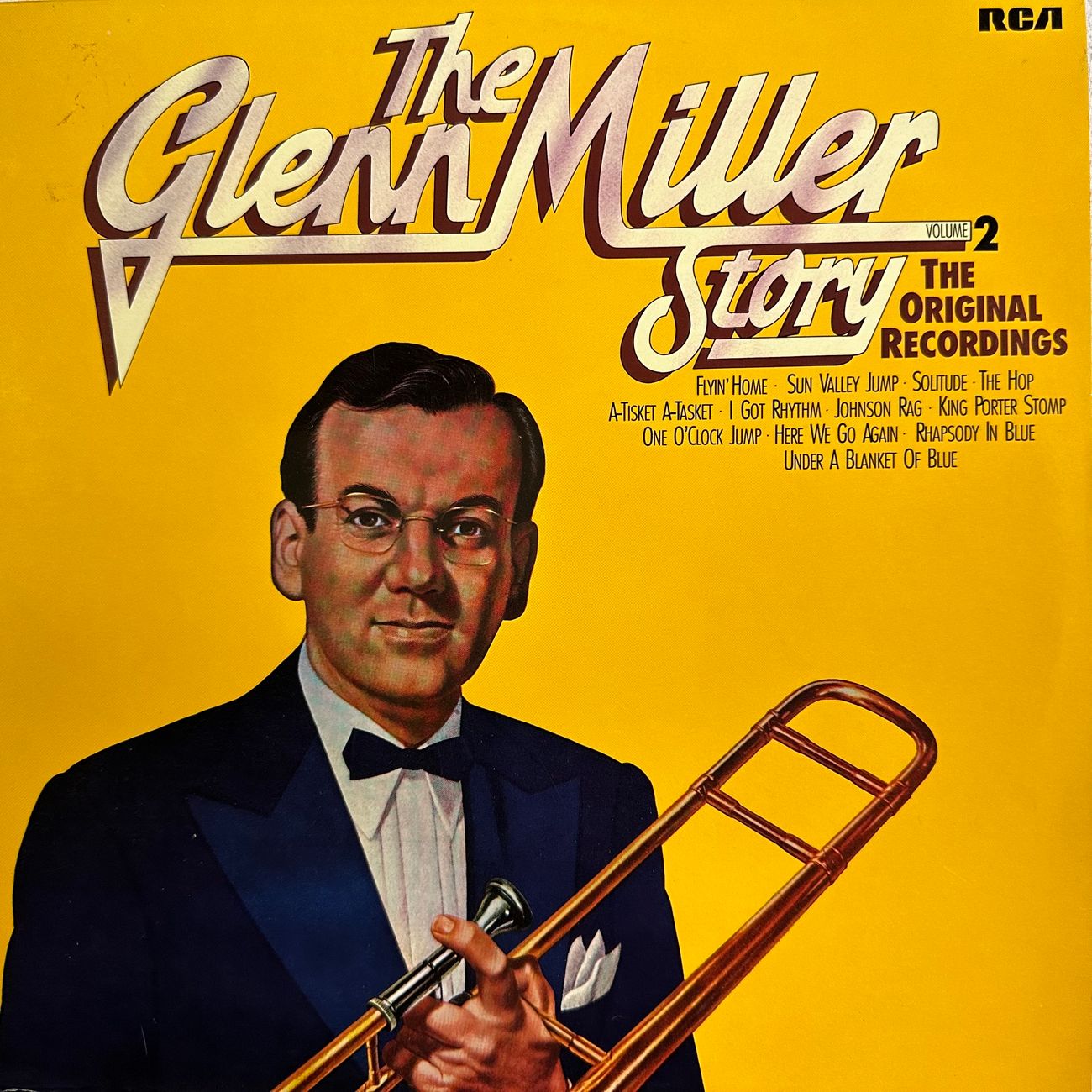
The Original Recordings
"The Glenn Miller Story" is a 1954 American biographical film about the life of swing music bandleader Glenn Miller, produced by Universal-International and directed by Anthony Mann. The movie stars James Stewart as Glenn Miller and June Allyson as his wife, Helen Burger Miller. Plot and Themes The film chronicles Glenn Miller's rise from obscurity to fame as one of the most successful bandleaders of the swing era, highlighting his dedication to creating a unique musical sound. The story follows his early days struggling to make a name for himself, his breakthrough successes, and his innovations in the music industry. Tragically, it also covers his untimely death in 1944 when his plane disappeared over the English Channel during World War II. Musical Score A key feature of "The Glenn Miller Story" is its focus on Miller's music, including iconic tunes like "Moonlight Serenade," "In the Mood," and "Tuxedo Junction." The film's soundtrack was immensely popular and played a significant role in reviving interest in Glenn Miller's music during the 1950s and beyond. Reception and Legacy The movie was a significant box office success and received positive reviews for its heartfelt storytelling and music. James Stewart's portrayal of Miller was widely praised, contributing to the film's emotional impact. The Glenn Miller Orchestra even participated in the film, lending authenticity and a poignant touch to the performance scenes. Awards "The Glenn Miller Story" was nominated for several Academy Awards and won for Best Sound Recording. It also received nominations for Best Screenplay and Best Score. Overall, "The Glenn Miller Story" remains a beloved classic, particularly appreciated by fans of Glenn Miller's music and those interested in the swing era of American music. Its success helped cement Miller's legacy as one of the leading figures in American popular music history.
- Soundtrack
- Soundtrack
- 12 Inch
- USA
- Used
- "The Glenn Miller Story" is a 1954 American biographical film about the life of swing music bandleader Glenn Miller, produced by Universal-International and directed by Anthony Mann. The movie stars James Stewart as Glenn Miller and June Allyson as his wife, Helen Burger Miller. Plot and Themes The film chronicles Glenn Miller's rise from obscurity to fame as one of the most successful bandleaders of the swing era, highlighting his dedication to creating a unique musical sound. The story follows his early days struggling to make a name for himself, his breakthrough successes, and his innovations in the music industry. Tragically, it also covers his untimely death in 1944 when his plane disappeared over the English Channel during World War II. Musical Score A key feature of "The Glenn Miller Story" is its focus on Miller's music, including iconic tunes like "Moonlight Serenade," "In the Mood," and "Tuxedo Junction." The film's soundtrack was immensely popular and played a significant role in reviving interest in Glenn Miller's music during the 1950s and beyond. Reception and Legacy The movie was a significant box office success and received positive reviews for its heartfelt storytelling and music. James Stewart's portrayal of Miller was widely praised, contributing to the film's emotional impact. The Glenn Miller Orchestra even participated in the film, lending authenticity and a poignant touch to the performance scenes. Awards "The Glenn Miller Story" was nominated for several Academy Awards and won for Best Sound Recording. It also received nominations for Best Screenplay and Best Score. Overall, "The Glenn Miller Story" remains a beloved classic, particularly appreciated by fans of Glenn Miller's music and those interested in the swing era of American music. Its success helped cement Miller's legacy as one of the leading figures in American popular music history.
1985
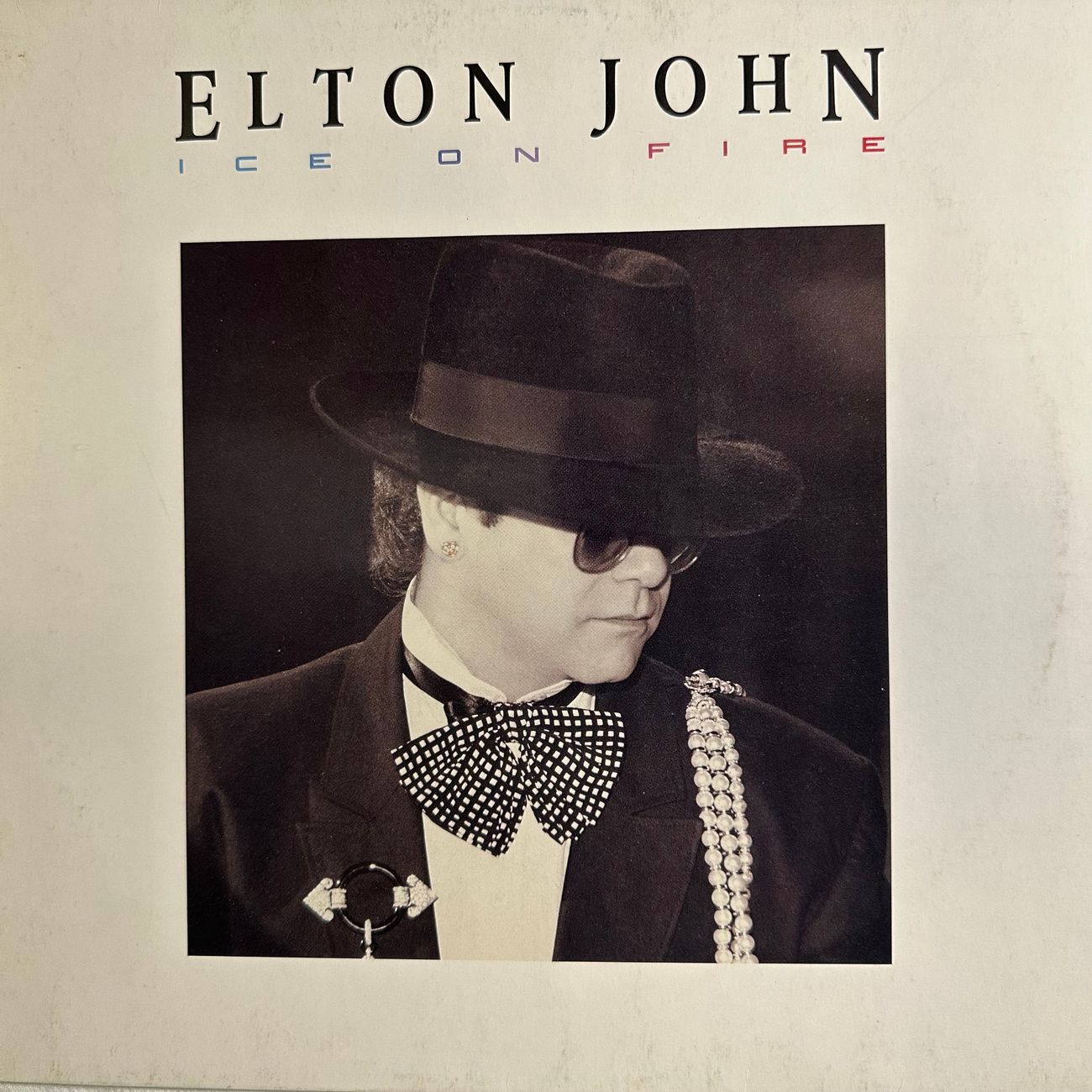
Elton John's "Ice on Fire" is an album released in November 1985. This album marked a period of transition for Elton John, featuring a blend of pop and rock styles, and included collaborations with several notable artists, enhancing its eclectic appeal. Album Details: Produced by Gus Dudgeon, who had worked with Elton John on many of his classic 1970s albums, "Ice on Fire" sought to capture some of the earlier magic while integrating contemporary 80s pop elements. The album features a variety of guest musicians, including George Michael, who provided backing vocals on "Wrap Her Up," which became one of the album's hit singles. Key Tracks: "Nikita" - Arguably the most famous track from the album, "Nikita" is a soft rock ballad with a Cold War theme, featuring a distinctive synthesizer and a memorable video. The song was a major international hit. "Wrap Her Up" - This song is notable for its upbeat tempo and duet vocals with George Michael. "This Town" - Opens the album with a lively arrangement, showcasing Elton’s ability to blend rock with a pop sensibility. Musical Style and Themes: "Ice on Fire" utilizes synthesizers and other electronic instrumentation prevalent in the 1980s, marking a departure from the more piano-driven, rock-focused style of Elton John's earlier works. Themes in the album cover love, personal reflection, and commentary on social issues, typical of Elton’s extensive catalog. Reception: While "Ice on Fire" received mixed reviews from critics, who often compared it unfavorably to his earlier, more critically acclaimed work, the album was commercially successful. It reinforced Elton John's ability to adapt to changing musical tastes and maintain relevance in the pop music scene. Vinyl Collectibility: As a vinyl record, "Ice on Fire" is appreciated by Elton John enthusiasts and collectors of 1980s pop and rock music. Vinyl releases from this era are sought after for their nostalgic value and as artifacts from a time when pop music was rapidly evolving. Collectors often look for well-preserved original pressings to experience the music as it was first presented during its release.
- Pop Rock
- Elton John
- 12 Inch
- British
- Used
- Elton John's "Ice on Fire" is an album released in November 1985. This album marked a period of transition for Elton John, featuring a blend of pop and rock styles, and included collaborations with several notable artists, enhancing its eclectic appeal. Album Details: Produced by Gus Dudgeon, who had worked with Elton John on many of his classic 1970s albums, "Ice on Fire" sought to capture some of the earlier magic while integrating contemporary 80s pop elements. The album features a variety of guest musicians, including George Michael, who provided backing vocals on "Wrap Her Up," which became one of the album's hit singles. Key Tracks: "Nikita" - Arguably the most famous track from the album, "Nikita" is a soft rock ballad with a Cold War theme, featuring a distinctive synthesizer and a memorable video. The song was a major international hit. "Wrap Her Up" - This song is notable for its upbeat tempo and duet vocals with George Michael. "This Town" - Opens the album with a lively arrangement, showcasing Elton’s ability to blend rock with a pop sensibility. Musical Style and Themes: "Ice on Fire" utilizes synthesizers and other electronic instrumentation prevalent in the 1980s, marking a departure from the more piano-driven, rock-focused style of Elton John's earlier works. Themes in the album cover love, personal reflection, and commentary on social issues, typical of Elton’s extensive catalog. Reception: While "Ice on Fire" received mixed reviews from critics, who often compared it unfavorably to his earlier, more critically acclaimed work, the album was commercially successful. It reinforced Elton John's ability to adapt to changing musical tastes and maintain relevance in the pop music scene. Vinyl Collectibility: As a vinyl record, "Ice on Fire" is appreciated by Elton John enthusiasts and collectors of 1980s pop and rock music. Vinyl releases from this era are sought after for their nostalgic value and as artifacts from a time when pop music was rapidly evolving. Collectors often look for well-preserved original pressings to experience the music as it was first presented during its release.
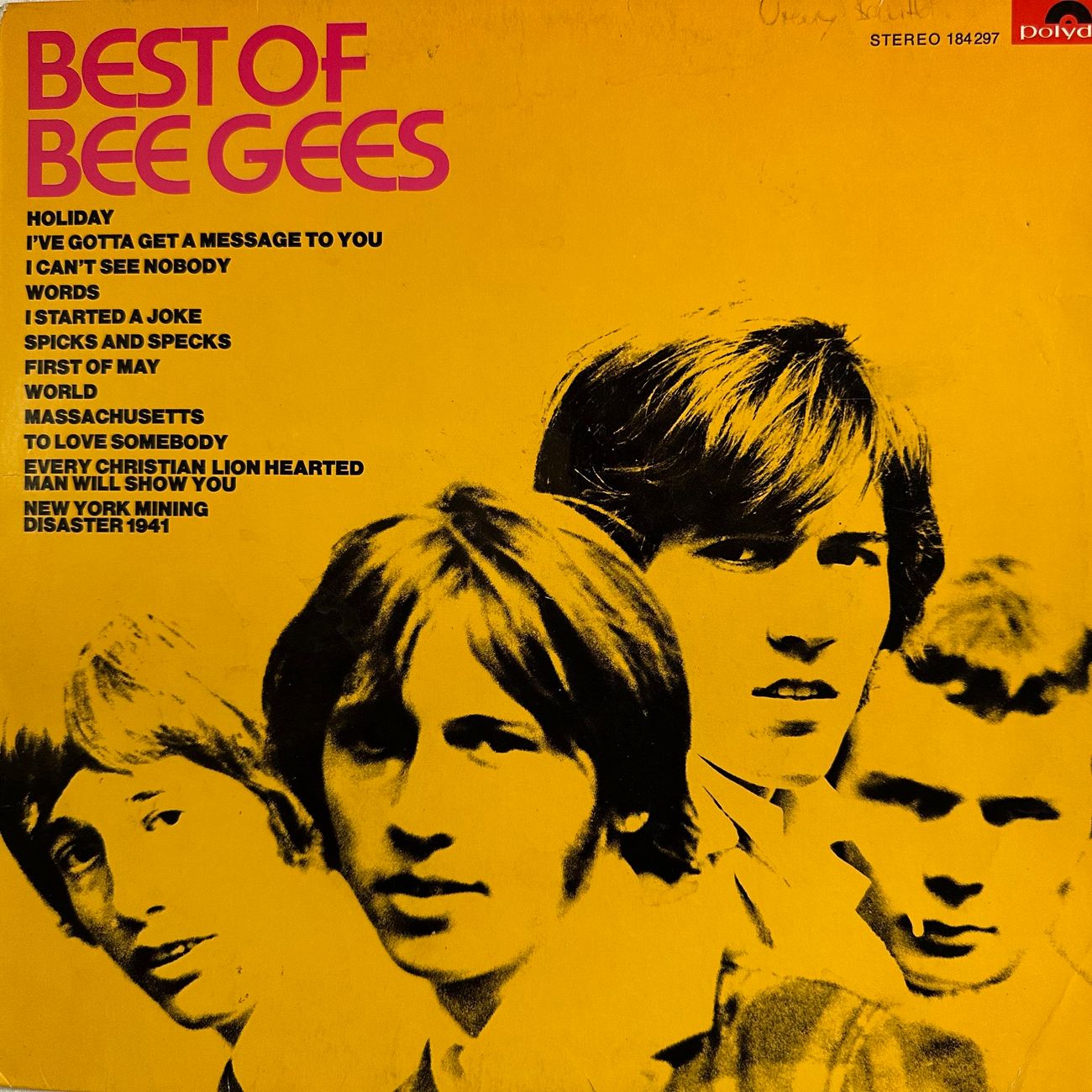
1969
The "Best of Bee Gees" album is a compilation vinyl released by the Bee Gees in 1969. This album features a selection of their early hits and is notable for capturing the band's initial phase of success before they became icons of the disco era in the late 1970s. Album Details: The compilation includes tracks from the Bee Gees' late 1960s output, which predominantly featured baroque pop and soft rock influences. This period highlights the group's melodic talents and complex harmonies, which would later evolve but remain a hallmark of their sound. Key Tracks: Some of the standout tracks on "Best of Bee Gees" include: "Holiday" - Known for its melancholic mood and lush harmonies. "To Love Somebody" - A powerful ballad that has been covered by numerous artists. "Massachusetts" - One of their biggest hits, which showcases their signature vocal style. "Words" - A poignant song about the power and consequences of spoken words. "I've Gotta Get a Message to You" - A dramatic song with a strong narrative element. "New York Mining Disaster 1941" - A song that exemplifies their storytelling ability in songwriting. Reception and Legacy: "Best of Bee Gees" was a commercial success, helping to solidify the band's reputation internationally. It provided new fans a gateway to explore the Bee Gees' music, encapsulating their early success before their later transition to disco. Vinyl Collectibility: As a vinyl record, "Best of Bee Gees" is highly prized among collectors and fans of the Bee Gees. The album not only features some of their best work from their early years but also represents a key era in the history of pop music. Collectors often seek out original pressings for their superior audio quality and the nostalgia associated with vinyl records. Overall, "Best of Bee Gees" remains a significant compilation, showcasing the depth and versatility of the Bee Gees' songwriting and harmonies from their formative years.
- Soft Rock
- Bee Gees
- 12 Inch
- British
- Used
- The "Best of Bee Gees" album is a compilation vinyl released by the Bee Gees in 1969. This album features a selection of their early hits and is notable for capturing the band's initial phase of success before they became icons of the disco era in the late 1970s. Album Details: The compilation includes tracks from the Bee Gees' late 1960s output, which predominantly featured baroque pop and soft rock influences. This period highlights the group's melodic talents and complex harmonies, which would later evolve but remain a hallmark of their sound. Key Tracks: Some of the standout tracks on "Best of Bee Gees" include: "Holiday" - Known for its melancholic mood and lush harmonies. "To Love Somebody" - A powerful ballad that has been covered by numerous artists. "Massachusetts" - One of their biggest hits, which showcases their signature vocal style. "Words" - A poignant song about the power and consequences of spoken words. "I've Gotta Get a Message to You" - A dramatic song with a strong narrative element. "New York Mining Disaster 1941" - A song that exemplifies their storytelling ability in songwriting. Reception and Legacy: "Best of Bee Gees" was a commercial success, helping to solidify the band's reputation internationally. It provided new fans a gateway to explore the Bee Gees' music, encapsulating their early success before their later transition to disco. Vinyl Collectibility: As a vinyl record, "Best of Bee Gees" is highly prized among collectors and fans of the Bee Gees. The album not only features some of their best work from their early years but also represents a key era in the history of pop music. Collectors often seek out original pressings for their superior audio quality and the nostalgia associated with vinyl records. Overall, "Best of Bee Gees" remains a significant compilation, showcasing the depth and versatility of the Bee Gees' songwriting and harmonies from their formative years.
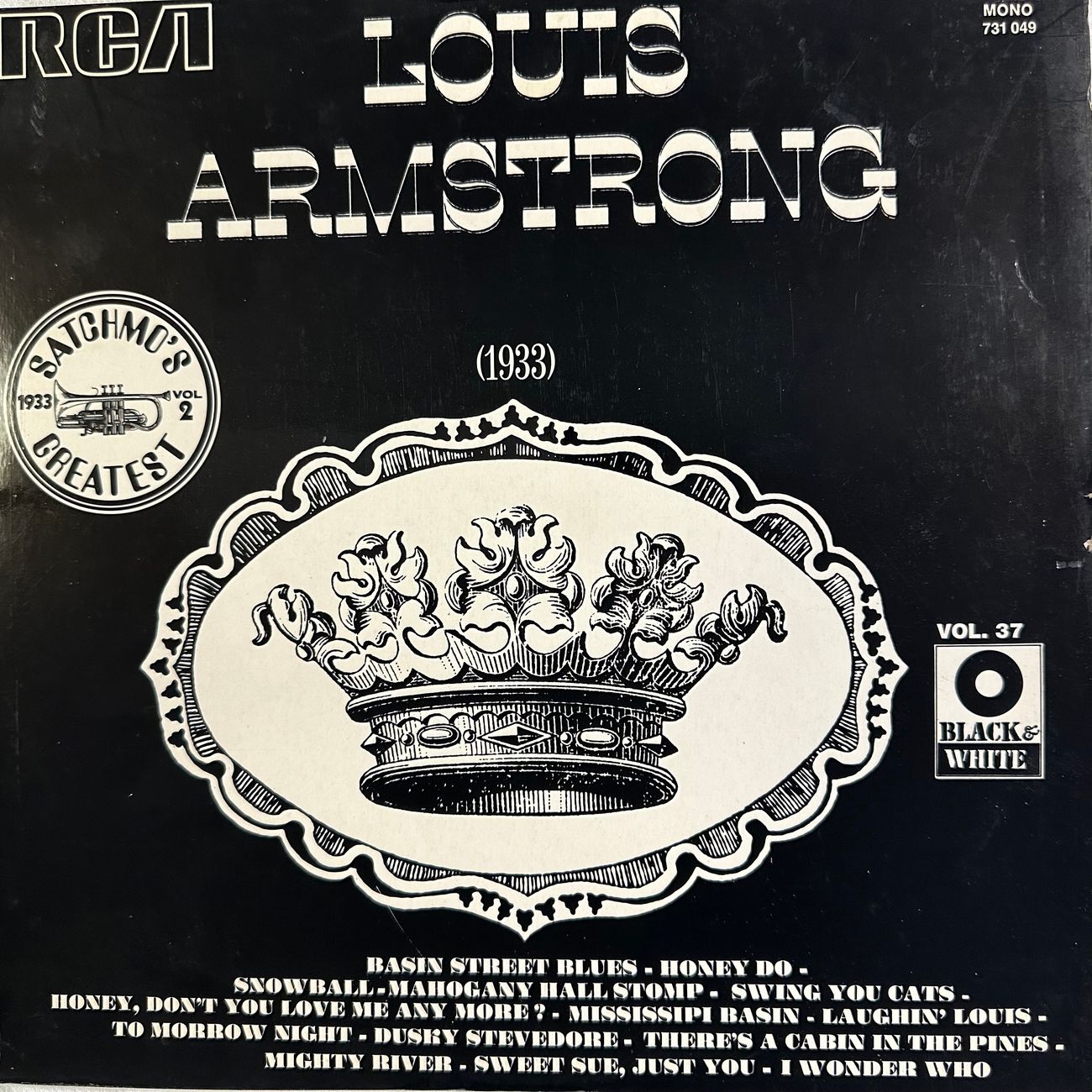
1933 - Vol. 37 Black & White
Louis Armstrong, often referred to as "Satchmo" or "Pops," was a foundational figure in jazz music, known for his charismatic stage presence and innovative skills as a trumpet player and vocalist. Born in New Orleans in 1901, Armstrong's career flourished from the 1920s through the 1960s, and he is celebrated for his profound impact on the world of jazz, with contributions that reverberate in the genre to this day. Musical Contributions: Armstrong was instrumental in the development of jazz as a soloist's art form. Before him, jazz was more about collective improvisation, but he transformed it by putting the soloist at the forefront, showcasing his remarkable skill on the trumpet and cornet. His playing featured incredible technique, characterized by a unique sense of rhythm and ability to bend the melodies in innovative ways that had a profound influence on the future directions of jazz. Vocal Style: As a vocalist, Armstrong had a distinctive, gravelly voice and was famous for his ability to convey emotion and personality in his singing. He was also one of the first to popularize scat singing—a vocal improvisation with wordless vocables and nonsense syllables, which mirrored his trumpet playing in its inventiveness. Key Recordings and Hits: Some of Armstrong's most famous recordings include "What a Wonderful World," "Stardust," "La Vie En Rose," and "Dream a Little Dream of Me." His version of "Hello, Dolly!" was a huge hit in 1964, displacing The Beatles from the top of the Billboard Hot 100 chart at the height of Beatlemania—an impressive feat illustrating his broad appeal. Cultural Impact: Beyond music, Armstrong's influence extended into the realm of civil rights; he used his prominent status to speak out against segregation and the mistreatment of Black Americans, though his approach was sometimes criticized for not being assertive enough. Nevertheless, his legacy as a pioneering musician and cultural ambassador is unassailable. Louis Armstrong passed away in 1971, but he remains an enduring figure in not only jazz but also the broader landscape of American music, celebrated for his joyful performances and his ability to connect with listeners around the world.
- Jazz
- Louis Armstrong
- 12 Inch
- USA
- Used
- Louis Armstrong, often referred to as "Satchmo" or "Pops," was a foundational figure in jazz music, known for his charismatic stage presence and innovative skills as a trumpet player and vocalist. Born in New Orleans in 1901, Armstrong's career flourished from the 1920s through the 1960s, and he is celebrated for his profound impact on the world of jazz, with contributions that reverberate in the genre to this day. Musical Contributions: Armstrong was instrumental in the development of jazz as a soloist's art form. Before him, jazz was more about collective improvisation, but he transformed it by putting the soloist at the forefront, showcasing his remarkable skill on the trumpet and cornet. His playing featured incredible technique, characterized by a unique sense of rhythm and ability to bend the melodies in innovative ways that had a profound influence on the future directions of jazz. Vocal Style: As a vocalist, Armstrong had a distinctive, gravelly voice and was famous for his ability to convey emotion and personality in his singing. He was also one of the first to popularize scat singing—a vocal improvisation with wordless vocables and nonsense syllables, which mirrored his trumpet playing in its inventiveness. Key Recordings and Hits: Some of Armstrong's most famous recordings include "What a Wonderful World," "Stardust," "La Vie En Rose," and "Dream a Little Dream of Me." His version of "Hello, Dolly!" was a huge hit in 1964, displacing The Beatles from the top of the Billboard Hot 100 chart at the height of Beatlemania—an impressive feat illustrating his broad appeal. Cultural Impact: Beyond music, Armstrong's influence extended into the realm of civil rights; he used his prominent status to speak out against segregation and the mistreatment of Black Americans, though his approach was sometimes criticized for not being assertive enough. Nevertheless, his legacy as a pioneering musician and cultural ambassador is unassailable. Louis Armstrong passed away in 1971, but he remains an enduring figure in not only jazz but also the broader landscape of American music, celebrated for his joyful performances and his ability to connect with listeners around the world.

1976
"Country Class" is an album by Jerry Lee Lewis, released in 1976. This album is part of Lewis's transition from rock and roll to more country-oriented music, a shift that began in the late 1960s and helped revitalize his career. By the time "Country Class" was released, Jerry Lee Lewis had established himself as a significant figure in country music, enjoying considerable success on the country charts. Album Details: "Country Class" showcases Jerry Lee Lewis's distinctive piano style and vocal delivery within the framework of country music. The album features a mix of covers and original songs, each track highlighting Lewis’s ability to blend rock and roll energy with country music's emotive storytelling. Key Tracks: The album includes several notable tracks that were hits or became fan favorites, such as: "Let's Put It Back Together Again" "No One Will Ever Know" "Come on In" "You Belong to Me" These songs demonstrate Lewis's flair for interpreting and giving new life to a range of material, from heartfelt ballads to more upbeat numbers. Reception and Legacy: "Country Class" was well received within the country music community. It contributed to a string of successful country albums by Jerry Lee Lewis during the 1970s, reinforcing his reputation as a versatile and enduring artist. While it may not have had the explosive impact of his 1950s rock and roll hits, the album helped sustain his career and broaden his audience. Vinyl Collectibility: As a vinyl record, "Country Class" holds appeal for collectors interested in Jerry Lee Lewis’s country phase. The album exemplifies how Lewis adapted his fiery piano playing and vocal style to the country genre, making it a unique part of his discography and a reflection of his artistic evolution. For fans of Jerry Lee Lewis or collectors of country music vinyl, "Country Class" is a noteworthy addition to any collection, providing insight into Lewis's substantial contributions to both rock and roll and country music.
- Country
- Jerry Lee Lewis
- 12 Inch
- USA
- Used
- "Country Class" is an album by Jerry Lee Lewis, released in 1976. This album is part of Lewis's transition from rock and roll to more country-oriented music, a shift that began in the late 1960s and helped revitalize his career. By the time "Country Class" was released, Jerry Lee Lewis had established himself as a significant figure in country music, enjoying considerable success on the country charts. Album Details: "Country Class" showcases Jerry Lee Lewis's distinctive piano style and vocal delivery within the framework of country music. The album features a mix of covers and original songs, each track highlighting Lewis’s ability to blend rock and roll energy with country music's emotive storytelling. Key Tracks: The album includes several notable tracks that were hits or became fan favorites, such as: "Let's Put It Back Together Again" "No One Will Ever Know" "Come on In" "You Belong to Me" These songs demonstrate Lewis's flair for interpreting and giving new life to a range of material, from heartfelt ballads to more upbeat numbers. Reception and Legacy: "Country Class" was well received within the country music community. It contributed to a string of successful country albums by Jerry Lee Lewis during the 1970s, reinforcing his reputation as a versatile and enduring artist. While it may not have had the explosive impact of his 1950s rock and roll hits, the album helped sustain his career and broaden his audience. Vinyl Collectibility: As a vinyl record, "Country Class" holds appeal for collectors interested in Jerry Lee Lewis’s country phase. The album exemplifies how Lewis adapted his fiery piano playing and vocal style to the country genre, making it a unique part of his discography and a reflection of his artistic evolution. For fans of Jerry Lee Lewis or collectors of country music vinyl, "Country Class" is a noteworthy addition to any collection, providing insight into Lewis's substantial contributions to both rock and roll and country music.
1975
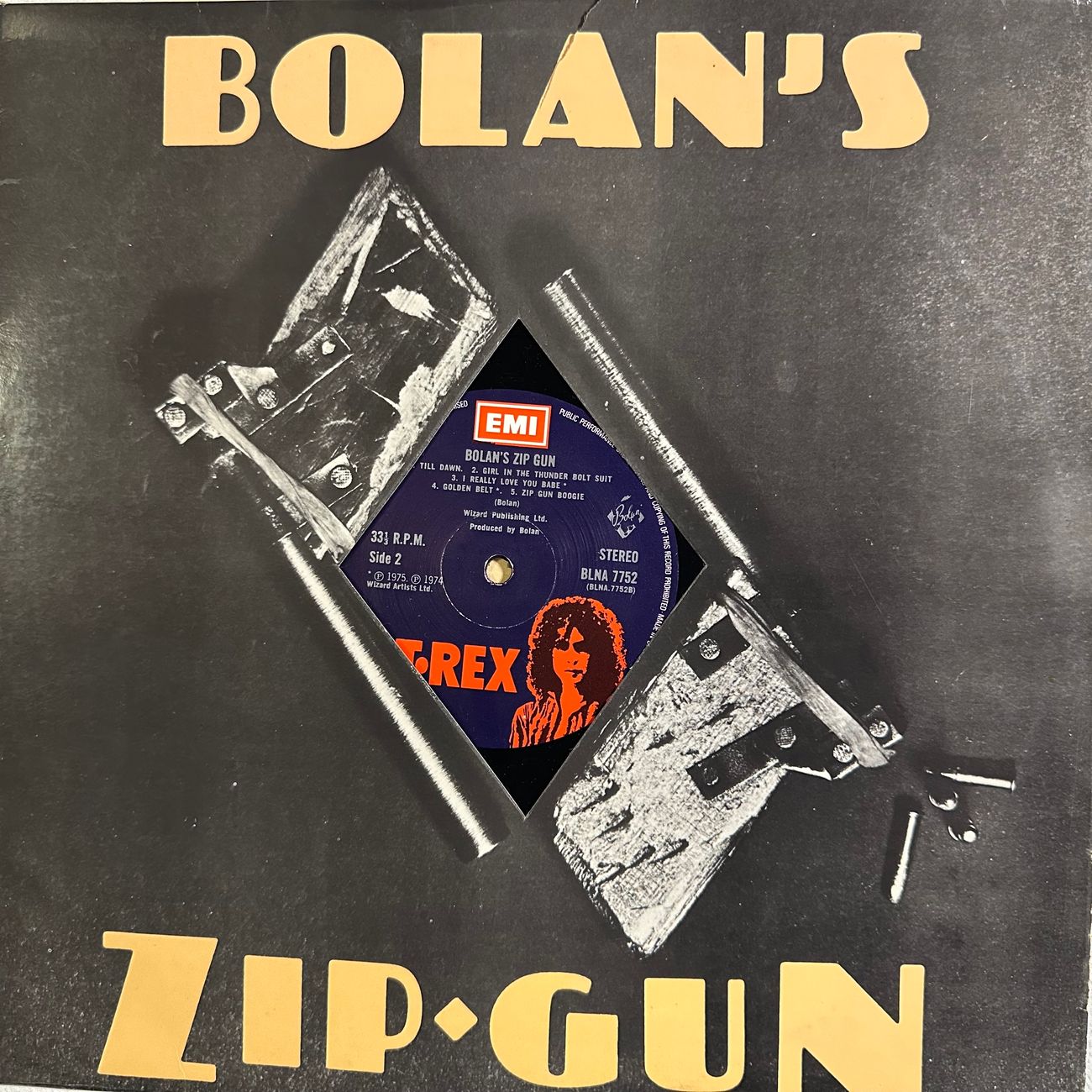
"Bolan's Zip Gun" is an album by T. Rex, the British glam rock band led by Marc Bolan. Released in 1975, this album is often noted for its departure from the band's earlier, more successful glam rock style to a sound that incorporated elements of American soul and funk. Album Details: By the time "Bolan's Zip Gun" was released, T. Rex was experiencing a decline in popularity, particularly compared to their early 1970s peak when songs like "Bang a Gong (Get It On)" and "Jeepster" were hits. This album was part of Marc Bolan's attempt to reinvent the band's sound, influenced heavily by American music trends, particularly funk and soul. Production and Sound: The album was produced by Marc Bolan himself, which marked a change as Tony Visconti, who had produced most of T. Rex's previous albums, was not involved. Bolan’s production choices led to a distinctively different sound that was less focused on the band’s traditional glam rock roots. Key Tracks: Tracks from "Bolan’s Zip Gun" include: "Light of Love" "Zip Gun Boogie" "Solid Baby" These tracks showcase the funkier, more laid-back approach Bolan was exploring at the time. Reception: Critically and commercially, "Bolan's Zip Gun" did not achieve the level of success of T. Rex's earlier albums. It was met with mixed reviews and is often considered one of the less essential T. Rex albums. Despite this, it has its defenders and is viewed by some fans as an underrated entry in Bolan's discography, offering an interesting glimpse into his evolving musical style. Legacy: For collectors and fans of T. Rex, "Bolan’s Zip Gun" represents an experimental phase in Marc Bolan’s career. It's a distinctive piece that reflects the mid-1970s music scene's shift towards different genres and Bolan’s willingness to experiment with new musical directions, even as his fame began to wane. The album can be appreciated for its historical context and as a testament to Bolan's creative restlessness.
- Rock and Roll
- Marc Bolan
- 12 Inch
- British
- Used
- "Bolan's Zip Gun" is an album by T. Rex, the British glam rock band led by Marc Bolan. Released in 1975, this album is often noted for its departure from the band's earlier, more successful glam rock style to a sound that incorporated elements of American soul and funk. Album Details: By the time "Bolan's Zip Gun" was released, T. Rex was experiencing a decline in popularity, particularly compared to their early 1970s peak when songs like "Bang a Gong (Get It On)" and "Jeepster" were hits. This album was part of Marc Bolan's attempt to reinvent the band's sound, influenced heavily by American music trends, particularly funk and soul. Production and Sound: The album was produced by Marc Bolan himself, which marked a change as Tony Visconti, who had produced most of T. Rex's previous albums, was not involved. Bolan’s production choices led to a distinctively different sound that was less focused on the band’s traditional glam rock roots. Key Tracks: Tracks from "Bolan’s Zip Gun" include: "Light of Love" "Zip Gun Boogie" "Solid Baby" These tracks showcase the funkier, more laid-back approach Bolan was exploring at the time. Reception: Critically and commercially, "Bolan's Zip Gun" did not achieve the level of success of T. Rex's earlier albums. It was met with mixed reviews and is often considered one of the less essential T. Rex albums. Despite this, it has its defenders and is viewed by some fans as an underrated entry in Bolan's discography, offering an interesting glimpse into his evolving musical style. Legacy: For collectors and fans of T. Rex, "Bolan’s Zip Gun" represents an experimental phase in Marc Bolan’s career. It's a distinctive piece that reflects the mid-1970s music scene's shift towards different genres and Bolan’s willingness to experiment with new musical directions, even as his fame began to wane. The album can be appreciated for its historical context and as a testament to Bolan's creative restlessness.
1963
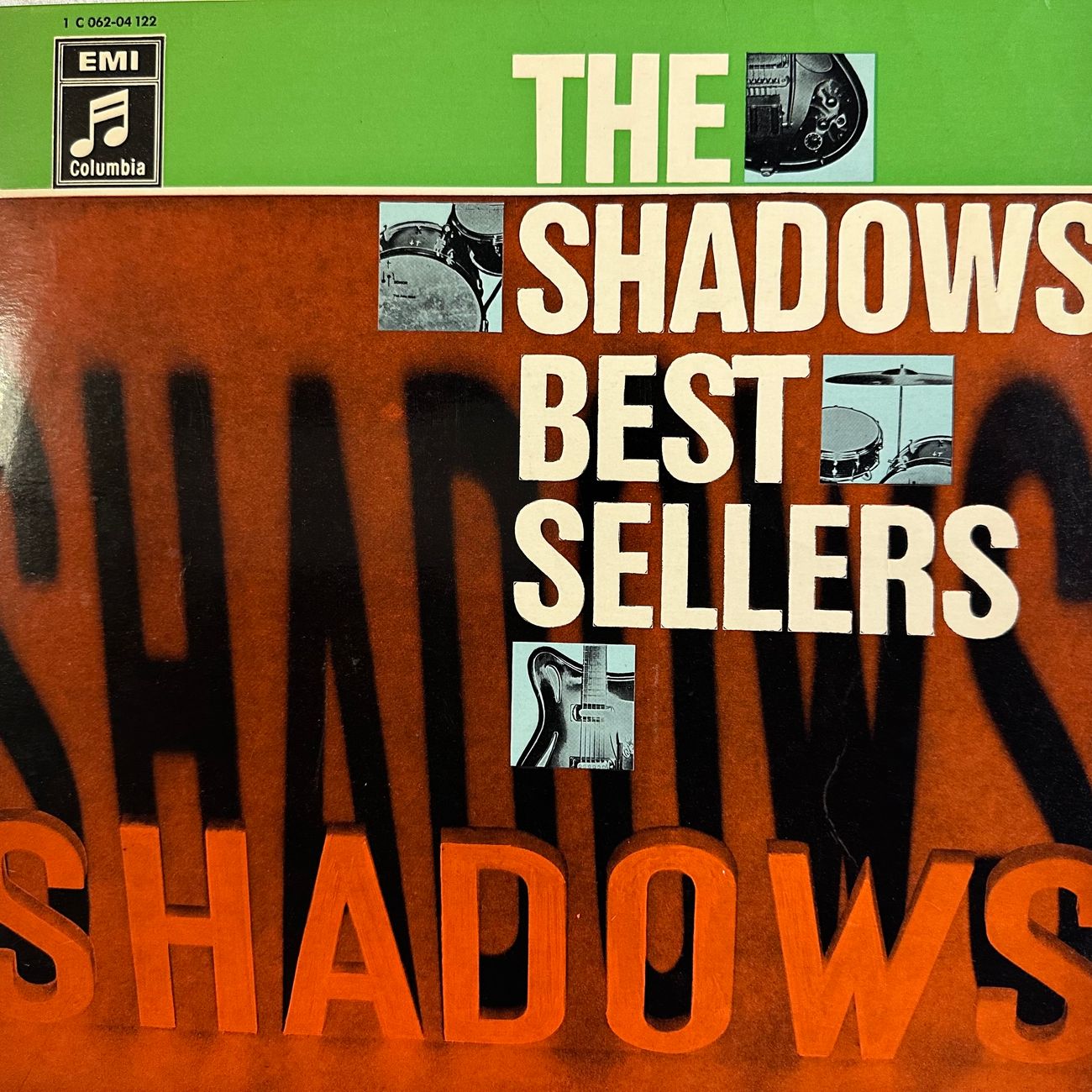
"The Shadows' Greatest Hits" is the album you're likely referring to when mentioning a compilation of best-sellers by The Shadows on vinyl. Released in 1963, this album compiles some of the most popular tracks from the early years of The Shadows, who were renowned for their instrumental rock music and were also famously known as the backing band for Cliff Richard. Album Overview: "The Shadows' Greatest Hits" features a collection of hits that showcase the band's distinctive guitar-based sound. The Shadows, led by guitarist Hank Marvin, were known for their clean, twanging guitar style, which was highly influential in the development of British rock 'n' roll and pop music in the 1960s. Key Tracks: Some of the key tracks on this album include: "Apache" - Perhaps their most famous track, "Apache" is iconic for its distinctive guitar melody and has been covered by numerous artists. "Man of Mystery" "The Frightened City" "Kon-Tiki" "Wonderful Land" "Dance On!" Each of these tracks exemplifies the band’s ability to create vivid, atmospheric music that made extensive use of the electric guitar, a relatively new instrument in popular music at the time. Significance and Legacy: This compilation not only captures the essence of The Shadows' music but also highlights their role in the evolution of rock music, particularly in the UK. Their sound influenced many other groups and guitarists internationally. Vinyl Collectibility: As a vinyl release, "The Shadows' Greatest Hits" is cherished by collectors and enthusiasts of rock and instrumental music. The original pressings are particularly valued for their historical and musical significance. This album serves as a great introduction to The Shadows' music and offers a nostalgic look back at the early 1960s music scene. Whether you're a longtime fan or a new listener, this album is a key piece of rock history, capturing some of the most memorable instrumentals of the era.
- Rock and Roll
- The Shadows
- 12 Inch
- British
- Used
- "The Shadows' Greatest Hits" is the album you're likely referring to when mentioning a compilation of best-sellers by The Shadows on vinyl. Released in 1963, this album compiles some of the most popular tracks from the early years of The Shadows, who were renowned for their instrumental rock music and were also famously known as the backing band for Cliff Richard. Album Overview: "The Shadows' Greatest Hits" features a collection of hits that showcase the band's distinctive guitar-based sound. The Shadows, led by guitarist Hank Marvin, were known for their clean, twanging guitar style, which was highly influential in the development of British rock 'n' roll and pop music in the 1960s. Key Tracks: Some of the key tracks on this album include: "Apache" - Perhaps their most famous track, "Apache" is iconic for its distinctive guitar melody and has been covered by numerous artists. "Man of Mystery" "The Frightened City" "Kon-Tiki" "Wonderful Land" "Dance On!" Each of these tracks exemplifies the band’s ability to create vivid, atmospheric music that made extensive use of the electric guitar, a relatively new instrument in popular music at the time. Significance and Legacy: This compilation not only captures the essence of The Shadows' music but also highlights their role in the evolution of rock music, particularly in the UK. Their sound influenced many other groups and guitarists internationally. Vinyl Collectibility: As a vinyl release, "The Shadows' Greatest Hits" is cherished by collectors and enthusiasts of rock and instrumental music. The original pressings are particularly valued for their historical and musical significance. This album serves as a great introduction to The Shadows' music and offers a nostalgic look back at the early 1960s music scene. Whether you're a longtime fan or a new listener, this album is a key piece of rock history, capturing some of the most memorable instrumentals of the era.
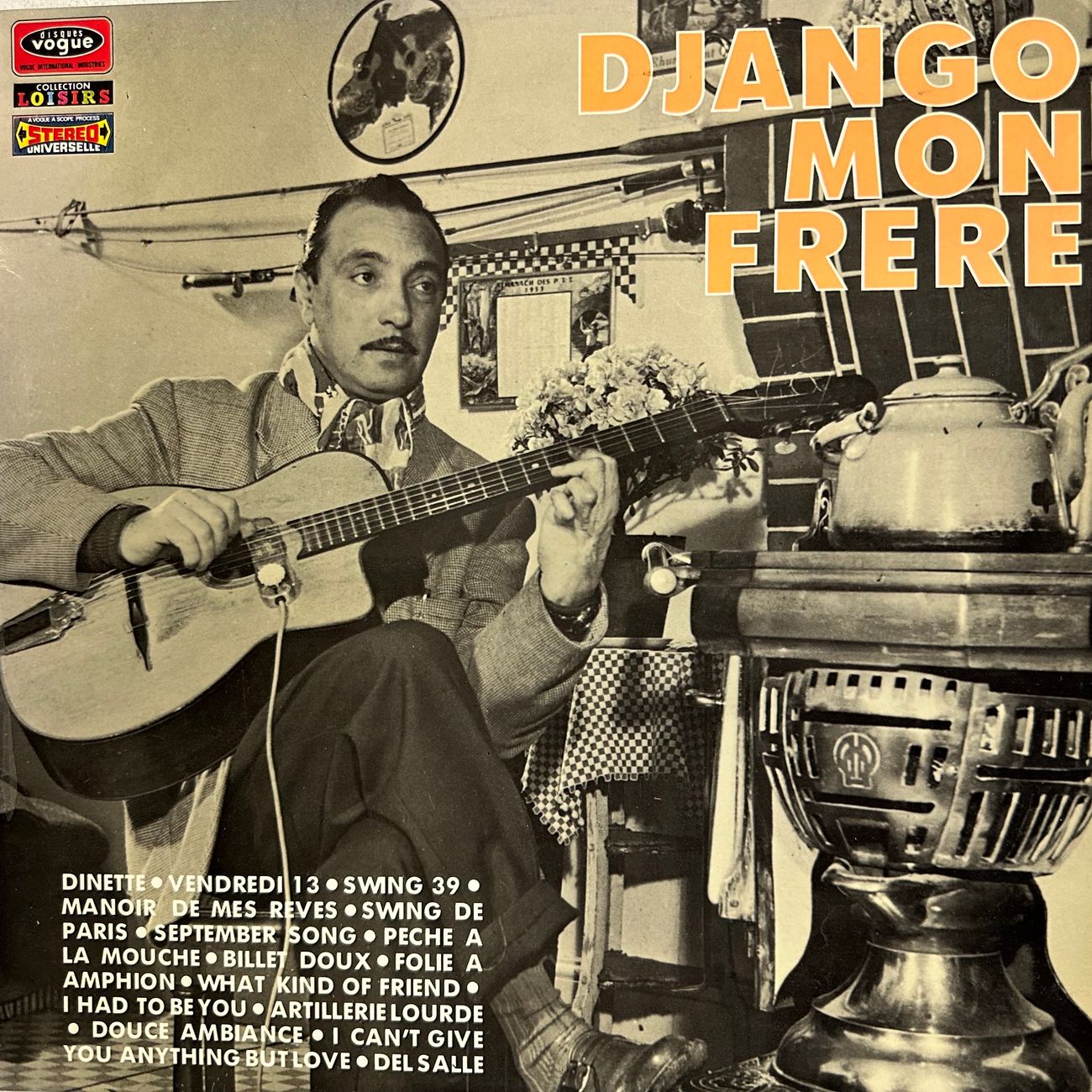
Jean Reinhardt is better known as Django Reinhardt, a pioneering jazz guitarist who is famous for his role in developing the style of music known as Gypsy Jazz or Jazz Manouche. However, there isn't a widely recognized or classic album by Django Reinhardt titled "Django mon Frere." Django Reinhardt's contributions to jazz are profound, with his innovative technique and compositions having left a lasting impact. His music, characterized by fast-paced, virtuosic guitar playing, introduced a new style of jazz guitar performance and composition. Reinhardt, often performing with the Quintette du Hot Club de France, collaborated frequently with violinist Stéphane Grappelli. They created a body of work in the 1930s and 1940s that remains highly influential and celebrated in the jazz world. If you're looking for notable albums or recordings from Django Reinhardt, you might consider classics such as: "Djangology": A compilation of recordings that include some of his most celebrated performances. "The Best of Django Reinhardt": A collection that encompasses many of his essential tracks. These albums feature some of his signature tunes like "Minor Swing," "Nuages," and "Djangology." Django Reinhardt's music continues to be celebrated for its vibrant energy, technical mastery, and innovative blend of traditional European and American jazz styles. If "Django mon Frere" is a specific recording or a lesser-known piece related to Django Reinhardt, it could be a rare find or a less-publicized title. However, based on standard discographies, this title doesn't appear in the mainstream records of Django's prolific career. Musical Contributions: Armstrong was instrumental in the development of jazz as a soloist's art form. Before him, jazz was more about collective improvisation, but he transformed it by putting the soloist at the forefront, showcasing his remarkable skill on the trumpet and cornet. His playing featured incredible technique, characterized by a unique sense of rhythm and ability to bend the melodies in innovative ways that had a profound influence on the future directions of jazz. Vocal Style: As a vocalist, Armstrong had a distinctive, gravelly voice and was famous for his ability to convey emotion and personality in his singing. He was also one of the first to popularize scat singing—a vocal improvisation with wordless vocables and nonsense syllables, which mirrored his trumpet playing in its inventiveness. Key Recordings and Hits: Some of Armstrong's most famous recordings include "What a Wonderful World," "Stardust," "La Vie En Rose," and "Dream a Little Dream of Me." His version of "Hello, Dolly!" was a huge hit in 1964, displacing The Beatles from the top of the Billboard Hot 100 chart at the height of Beatlemania—an impressive feat illustrating his broad appeal. Cultural Impact: Beyond music, Armstrong's influence extended into the realm of civil rights; he used his prominent status to speak out against segregation and the mistreatment of Black Americans, though his approach was sometimes criticized for not being assertive enough. Nevertheless, his legacy as a pioneering musician and cultural ambassador is unassailable. Louis Armstrong passed away in 1971, but he remains an enduring figure in not only jazz but also the broader landscape of American music, celebrated for his joyful performances and his ability to connect with listeners around the world.
- Jazz
- Django Rheinhardt
- 12 Inch
- Belgium
- Used
- Jean Reinhardt is better known as Django Reinhardt, a pioneering jazz guitarist who is famous for his role in developing the style of music known as Gypsy Jazz or Jazz Manouche. However, there isn't a widely recognized or classic album by Django Reinhardt titled "Django mon Frere." Django Reinhardt's contributions to jazz are profound, with his innovative technique and compositions having left a lasting impact. His music, characterized by fast-paced, virtuosic guitar playing, introduced a new style of jazz guitar performance and composition. Reinhardt, often performing with the Quintette du Hot Club de France, collaborated frequently with violinist Stéphane Grappelli. They created a body of work in the 1930s and 1940s that remains highly influential and celebrated in the jazz world. If you're looking for notable albums or recordings from Django Reinhardt, you might consider classics such as: "Djangology": A compilation of recordings that include some of his most celebrated performances. "The Best of Django Reinhardt": A collection that encompasses many of his essential tracks. These albums feature some of his signature tunes like "Minor Swing," "Nuages," and "Djangology." Django Reinhardt's music continues to be celebrated for its vibrant energy, technical mastery, and innovative blend of traditional European and American jazz styles. If "Django mon Frere" is a specific recording or a lesser-known piece related to Django Reinhardt, it could be a rare find or a less-publicized title. However, based on standard discographies, this title doesn't appear in the mainstream records of Django's prolific career. Musical Contributions: Armstrong was instrumental in the development of jazz as a soloist's art form. Before him, jazz was more about collective improvisation, but he transformed it by putting the soloist at the forefront, showcasing his remarkable skill on the trumpet and cornet. His playing featured incredible technique, characterized by a unique sense of rhythm and ability to bend the melodies in innovative ways that had a profound influence on the future directions of jazz. Vocal Style: As a vocalist, Armstrong had a distinctive, gravelly voice and was famous for his ability to convey emotion and personality in his singing. He was also one of the first to popularize scat singing—a vocal improvisation with wordless vocables and nonsense syllables, which mirrored his trumpet playing in its inventiveness. Key Recordings and Hits: Some of Armstrong's most famous recordings include "What a Wonderful World," "Stardust," "La Vie En Rose," and "Dream a Little Dream of Me." His version of "Hello, Dolly!" was a huge hit in 1964, displacing The Beatles from the top of the Billboard Hot 100 chart at the height of Beatlemania—an impressive feat illustrating his broad appeal. Cultural Impact: Beyond music, Armstrong's influence extended into the realm of civil rights; he used his prominent status to speak out against segregation and the mistreatment of Black Americans, though his approach was sometimes criticized for not being assertive enough. Nevertheless, his legacy as a pioneering musician and cultural ambassador is unassailable. Louis Armstrong passed away in 1971, but he remains an enduring figure in not only jazz but also the broader landscape of American music, celebrated for his joyful performances and his ability to connect with listeners around the world.

Louis Armstrong, often referred to as "Satchmo" or "Pops," was a foundational figure in jazz music, known for his charismatic stage presence and innovative skills as a trumpet player and vocalist. Born in New Orleans in 1901, Armstrong's career flourished from the 1920s through the 1960s, and he is celebrated for his profound impact on the world of jazz, with contributions that reverberate in the genre to this day. Musical Contributions: Armstrong was instrumental in the development of jazz as a soloist's art form. Before him, jazz was more about collective improvisation, but he transformed it by putting the soloist at the forefront, showcasing his remarkable skill on the trumpet and cornet. His playing featured incredible technique, characterized by a unique sense of rhythm and ability to bend the melodies in innovative ways that had a profound influence on the future directions of jazz. Vocal Style: As a vocalist, Armstrong had a distinctive, gravelly voice and was famous for his ability to convey emotion and personality in his singing. He was also one of the first to popularize scat singing—a vocal improvisation with wordless vocables and nonsense syllables, which mirrored his trumpet playing in its inventiveness. Key Recordings and Hits: Some of Armstrong's most famous recordings include "What a Wonderful World," "Stardust," "La Vie En Rose," and "Dream a Little Dream of Me." His version of "Hello, Dolly!" was a huge hit in 1964, displacing The Beatles from the top of the Billboard Hot 100 chart at the height of Beatlemania—an impressive feat illustrating his broad appeal. Cultural Impact: Beyond music, Armstrong's influence extended into the realm of civil rights; he used his prominent status to speak out against segregation and the mistreatment of Black Americans, though his approach was sometimes criticized for not being assertive enough. Nevertheless, his legacy as a pioneering musician and cultural ambassador is unassailable. Louis Armstrong passed away in 1971, but he remains an enduring figure in not only jazz but also the broader landscape of American music, celebrated for his joyful performances and his ability to connect with listeners around the world.
- Jazz
- Louis Armstrong
- 12 Inch
- USA
- Used
- Louis Armstrong, often referred to as "Satchmo" or "Pops," was a foundational figure in jazz music, known for his charismatic stage presence and innovative skills as a trumpet player and vocalist. Born in New Orleans in 1901, Armstrong's career flourished from the 1920s through the 1960s, and he is celebrated for his profound impact on the world of jazz, with contributions that reverberate in the genre to this day. Musical Contributions: Armstrong was instrumental in the development of jazz as a soloist's art form. Before him, jazz was more about collective improvisation, but he transformed it by putting the soloist at the forefront, showcasing his remarkable skill on the trumpet and cornet. His playing featured incredible technique, characterized by a unique sense of rhythm and ability to bend the melodies in innovative ways that had a profound influence on the future directions of jazz. Vocal Style: As a vocalist, Armstrong had a distinctive, gravelly voice and was famous for his ability to convey emotion and personality in his singing. He was also one of the first to popularize scat singing—a vocal improvisation with wordless vocables and nonsense syllables, which mirrored his trumpet playing in its inventiveness. Key Recordings and Hits: Some of Armstrong's most famous recordings include "What a Wonderful World," "Stardust," "La Vie En Rose," and "Dream a Little Dream of Me." His version of "Hello, Dolly!" was a huge hit in 1964, displacing The Beatles from the top of the Billboard Hot 100 chart at the height of Beatlemania—an impressive feat illustrating his broad appeal. Cultural Impact: Beyond music, Armstrong's influence extended into the realm of civil rights; he used his prominent status to speak out against segregation and the mistreatment of Black Americans, though his approach was sometimes criticized for not being assertive enough. Nevertheless, his legacy as a pioneering musician and cultural ambassador is unassailable. Louis Armstrong passed away in 1971, but he remains an enduring figure in not only jazz but also the broader landscape of American music, celebrated for his joyful performances and his ability to connect with listeners around the world.
1970
The album "Titanic" you're referring to is likely the debut album by the rock band Titanic, released in 1970. Titanic was a progressive rock band formed in Norway by British musician and singer/guitarist Roy Robinson. The band blended elements of rock, blues, and jazz, and is best remembered for their hit single "Sultana," which is featured on this album. Album Details: The self-titled debut "Titanic" album was characterized by its unique blend of musical styles. The band's sound was marked by the heavy use of organ and guitar, creating a distinctive rock sound that also incorporated elements of funk and R&B. This approach was somewhat innovative for the time, blending heavier rock elements with more rhythmic, dance-oriented music. Key Tracks: The standout track "Sultana" is performed in a style reminiscent of Santana’s Latin-infused rock, featuring compelling guitar riffs and organ playing. It was a chart-topping success in several European countries and helped define the band's sound and their musical direction in subsequent releases. Band Lineup: The band's lineup for this album typically included: Roy Robinson (vocals, guitar) Kjell Asperud (percussion, vocals) Helge Groslie (keyboards, vocals) John Lorck (drums) Kenny Aas (bass) Reception and Legacy: The album "Titanic" and particularly the song "Sultana" enjoyed significant popularity in Europe, cementing the band's place in the progressive rock scene of the early 1970s. Although Titanic did not achieve the same level of lasting fame as some of their contemporaries, their music remains a valued piece for collectors of 1970s rock music, especially those interested in the prog and psychedelic rock scenes. Vinyl Collectibility: As with many rock albums from this era, original vinyl copies of Titanic's debut album are sought after by collectors. The distinctive sound, the historical context of the band, and the rarity of the vinyl contribute to its desirability among vinyl enthusiasts and fans of the genre.
- Blues Rock
- Titanic
- 12 Inch
- Norway
- Used
- The album "Titanic" you're referring to is likely the debut album by the rock band Titanic, released in 1970. Titanic was a progressive rock band formed in Norway by British musician and singer/guitarist Roy Robinson. The band blended elements of rock, blues, and jazz, and is best remembered for their hit single "Sultana," which is featured on this album. Album Details: The self-titled debut "Titanic" album was characterized by its unique blend of musical styles. The band's sound was marked by the heavy use of organ and guitar, creating a distinctive rock sound that also incorporated elements of funk and R&B. This approach was somewhat innovative for the time, blending heavier rock elements with more rhythmic, dance-oriented music. Key Tracks: The standout track "Sultana" is performed in a style reminiscent of Santana’s Latin-infused rock, featuring compelling guitar riffs and organ playing. It was a chart-topping success in several European countries and helped define the band's sound and their musical direction in subsequent releases. Band Lineup: The band's lineup for this album typically included: Roy Robinson (vocals, guitar) Kjell Asperud (percussion, vocals) Helge Groslie (keyboards, vocals) John Lorck (drums) Kenny Aas (bass) Reception and Legacy: The album "Titanic" and particularly the song "Sultana" enjoyed significant popularity in Europe, cementing the band's place in the progressive rock scene of the early 1970s. Although Titanic did not achieve the same level of lasting fame as some of their contemporaries, their music remains a valued piece for collectors of 1970s rock music, especially those interested in the prog and psychedelic rock scenes. Vinyl Collectibility: As with many rock albums from this era, original vinyl copies of Titanic's debut album are sought after by collectors. The distinctive sound, the historical context of the band, and the rarity of the vinyl contribute to its desirability among vinyl enthusiasts and fans of the genre.
1962-1966
The Beatles' "1962-1966" album, commonly known as the "Red Album," is a compilation that captures the early years of The Beatles' prolific career. Released in 1973 alongside its counterpart, the "1967-1970" (Blue Album), this double LP offers a comprehensive overview of the band's initial phase, featuring some of their biggest hits and most influential songs from that period. Album Overview: "1962-1966" includes tracks from the beginning of The Beatles' recording career starting with their debut album "Please Please Me" through to "Rubber Soul." The compilation provides listeners with a glimpse into the band's rapid development from pop and rock 'n' roll pioneers to more sophisticated musical innovators. Notable tracks on this album include "Love Me Do," "Yesterday," "Can't Buy Me Love," "Help!" and "Eleanor Rigby." Significance: The selected tracks on the "Red Album" illustrate The Beatles' early experimentation with different styles and their evolving songwriting skills. This period is characterized by catchy melodies, harmonious vocals, and the classic charm that first brought them global fame. The compilation effectively demonstrates how The Beatles transformed the landscape of popular music in a few short years. Vinyl Editions: The original vinyl release of "1962-1966" is cherished by vinyl collectors due to its rich analog sound, which many enthusiasts believe captures the warmth and depth of The Beatles' recordings better than digital formats. The album's packaging is iconic, featuring a red-tinted cover with a 1963 photo of the band—mirroring the cover design of the "Blue Album," but representing their earlier phase. Re-releases and Remasters: Like the "Blue Album," "1962-1966" has been reissued and remastered several times. These newer editions are designed to provide improved sound clarity while maintaining the integrity of the original recordings. They appeal to both new listeners and longtime Beatles fans looking to preserve the quality of their listening experience. Overall, "1962-1966" serves as a vital collection for understanding the early impact of The Beatles on music and culture. It not only offers a nostalgic retrospective of their first hits but also highlights the timeless appeal of their music, which continues to influence generations.
- Pop Rock
- The Beatles
- 12 Inch
- British
- Used
- The Beatles' "1962-1966" album, commonly known as the "Red Album," is a compilation that captures the early years of The Beatles' prolific career. Released in 1973 alongside its counterpart, the "1967-1970" (Blue Album), this double LP offers a comprehensive overview of the band's initial phase, featuring some of their biggest hits and most influential songs from that period. Album Overview: "1962-1966" includes tracks from the beginning of The Beatles' recording career starting with their debut album "Please Please Me" through to "Rubber Soul." The compilation provides listeners with a glimpse into the band's rapid development from pop and rock 'n' roll pioneers to more sophisticated musical innovators. Notable tracks on this album include "Love Me Do," "Yesterday," "Can't Buy Me Love," "Help!" and "Eleanor Rigby." Significance: The selected tracks on the "Red Album" illustrate The Beatles' early experimentation with different styles and their evolving songwriting skills. This period is characterized by catchy melodies, harmonious vocals, and the classic charm that first brought them global fame. The compilation effectively demonstrates how The Beatles transformed the landscape of popular music in a few short years. Vinyl Editions: The original vinyl release of "1962-1966" is cherished by vinyl collectors due to its rich analog sound, which many enthusiasts believe captures the warmth and depth of The Beatles' recordings better than digital formats. The album's packaging is iconic, featuring a red-tinted cover with a 1963 photo of the band—mirroring the cover design of the "Blue Album," but representing their earlier phase. Re-releases and Remasters: Like the "Blue Album," "1962-1966" has been reissued and remastered several times. These newer editions are designed to provide improved sound clarity while maintaining the integrity of the original recordings. They appeal to both new listeners and longtime Beatles fans looking to preserve the quality of their listening experience. Overall, "1962-1966" serves as a vital collection for understanding the early impact of The Beatles on music and culture. It not only offers a nostalgic retrospective of their first hits but also highlights the timeless appeal of their music, which continues to influence generations.
1967-1970
The Beatles' "1967-1970" album, commonly known as the "Blue Album," is a compilation of songs from the latter part of The Beatles' career. Released in 1973, this double album was created as a follow-up to the "1962-1966" compilation (the "Red Album") and features a collection of tracks that highlight the band’s evolution in their studio years. Album Details: "1967-1970" spans the period from The Beatles' studio albums beginning with "Sgt. Pepper's Lonely Hearts Club Band" (1967) through to "Let It Be" (1970). This period was marked by a significant transformation in their musical style and recording complexity. The album includes songs like "Strawberry Fields Forever," "Lucy in the Sky with Diamonds," "All You Need Is Love," "Hey Jude," and "Across the Universe." Significance: The tracks selected for the "Blue Album" represent some of the most innovative and influential work by The Beatles, showcasing their experimental approach to songwriting and recording during this era. The album reflects their psychedelic influences, more mature lyrical themes, and the increasing use of studio technology to create more complex compositions. Vinyl Editions: As a vinyl release, "1967-1970" has been highly prized among collectors. The original vinyl editions are appreciated for their sound quality and for the tangible connection to a pivotal era of music. The packaging typically features a blue-tinted cover with a 1967 photo of The Beatles similar to the one on the "Please Please Me" cover but taken from the opposite angle, symbolizing their progression. Re-releases and Remasters: The album has been reissued several times, including remastered versions that offer enhanced audio quality. These reissues are often sought after by audiophiles and Beatles enthusiasts who are looking to either complete or upgrade their collections. Overall, "1967-1970" serves as both a significant historical document and a deeply enjoyable listening experience, capturing the final chapters of The Beatles' groundbreaking career. It remains a popular way for fans to explore the band’s studio advancements and artistic depth during their most creatively vibrant years.
- Pop Rock
- The Beatles
- 12 Inch
- British
- Used
- The Beatles' "1967-1970" album, commonly known as the "Blue Album," is a compilation of songs from the latter part of The Beatles' career. Released in 1973, this double album was created as a follow-up to the "1962-1966" compilation (the "Red Album") and features a collection of tracks that highlight the band’s evolution in their studio years. Album Details: "1967-1970" spans the period from The Beatles' studio albums beginning with "Sgt. Pepper's Lonely Hearts Club Band" (1967) through to "Let It Be" (1970). This period was marked by a significant transformation in their musical style and recording complexity. The album includes songs like "Strawberry Fields Forever," "Lucy in the Sky with Diamonds," "All You Need Is Love," "Hey Jude," and "Across the Universe." Significance: The tracks selected for the "Blue Album" represent some of the most innovative and influential work by The Beatles, showcasing their experimental approach to songwriting and recording during this era. The album reflects their psychedelic influences, more mature lyrical themes, and the increasing use of studio technology to create more complex compositions. Vinyl Editions: As a vinyl release, "1967-1970" has been highly prized among collectors. The original vinyl editions are appreciated for their sound quality and for the tangible connection to a pivotal era of music. The packaging typically features a blue-tinted cover with a 1967 photo of The Beatles similar to the one on the "Please Please Me" cover but taken from the opposite angle, symbolizing their progression. Re-releases and Remasters: The album has been reissued several times, including remastered versions that offer enhanced audio quality. These reissues are often sought after by audiophiles and Beatles enthusiasts who are looking to either complete or upgrade their collections. Overall, "1967-1970" serves as both a significant historical document and a deeply enjoyable listening experience, capturing the final chapters of The Beatles' groundbreaking career. It remains a popular way for fans to explore the band’s studio advancements and artistic depth during their most creatively vibrant years.