


- Reggae
- Bob Marley
- 12 Inch
- Jamaican
- Used
- Bob Marley is one of the most iconic and influential musicians in the history of reggae music. Born Robert Nesta Marley on February 6, 1945, in Nine Mile, Jamaica, he became famous for popularizing reggae music worldwide and is celebrated for his poignant songwriting and distinctive vocal style. Marley's music often carried powerful messages of peace, unity, and resistance against oppression, deeply rooted in Rastafarian beliefs. His band, Bob Marley and the Wailers, produced numerous albums that have had a lasting impact on music and culture globally.
- Pop
- Michael Jackson
- 12 Inch
- USA
- Used
- Michael Jackson's "Bad" is a monumental album in the history of pop music, released on August 31, 1987. This album followed his groundbreaking album "Thriller," and while facing immense pressure to meet or exceed the success of its predecessor, "Bad" proved to be a phenomenal success in its own right. Album Overview: "Bad" was the first album for which Jackson had the primary creative control, serving as the co-producer along with Quincy Jones. The album features a mix of pop, rock, funk, and R&B, and showcases Jackson's evolution as a songwriter and musician. He wrote nine of the album's eleven tracks, which delve into themes of media scrutiny, fame, personal struggles, and societal issues. Key Tracks: "Bad" - The album opens with its title track, a bold assertion of self-confidence and an iconic music video directed by Martin Scorsese. "The Way You Make Me Feel" - A groovy and romantic song that became a fan favorite. "Man in the Mirror" - A reflective and inspirational song about personal change and making a positive impact on the world. "Smooth Criminal" - Known for its compelling beat and the famous "anti-gravity lean" in the music video. "Dirty Diana" - A hard rock track that showcases Jackson's versatility and ability to cross genre boundaries. Reception: "Bad" was a commercial juggernaut, becoming the first album to produce five Billboard Hot 100 number-one singles. It received critical acclaim for its ambitious artistic scope and the strength of its singles. The album solidified Jackson's status as a global pop icon and was a staple of late 80s music. Vinyl Collectibility: As a vinyl record, "Bad" holds significant appeal among collectors. Vinyl enthusiasts and Michael Jackson fans cherish original pressings for their sound quality and the tangible connection to an era when Jackson was at the peak of his creative powers. The album artwork, featuring Jackson in a black leather suit against a stark white background, is iconic and instantly recognizable, making it a visually appealing addition to any collection. Collectors often seek out well-preserved copies of "Bad" not only for their musical and historical value but also for the quality of analog sound that vinyl can provide, which many believe enhances the listening experience of Jackson's dynamic production and vocal performance.

- Rock and Roll
- Elvis Presley
- 12 Inch
- USA
- Used
- Elvis is one of the best-selling solo music artists worldwide, with estimated record sales of over 600 million units. His commercial success in the music industry remains unparalleled. Elvis had a profound impact on the development of rock and roll and popular music in general. He brought a blend of African-American blues, Christian gospel, and Southern country to a mass audience. He has numerous hit singles and albums, with more than 150 albums and singles certified gold, platinum, or multi-platinum by the Recording Industry Association of America (RIAA). Hits like "Heartbreak Hotel," "Jailhouse Rock," and "Suspicious Minds" are perennial favorites. Apart from music, Elvis also had a successful film career, starring in 31 feature films such as "Love Me Tender," "Viva Las Vegas," and "Blue Hawaii." These films, though often criticized for their lack of depth, were commercial successes and helped to solidify his status as a cultural icon. Elvis Presley's legacy is a complex amalgam of musical innovation, cultural shifts, and a personal story woven into the fabric of 20th-century music and entertainment. His life and work continue to be celebrated and studied for their profound impact on music and popular culture.
📦312 Produits





Deep Purple's "Perfect Strangers" is an album that marked the highly anticipated reunion of the classic Deep Purple lineup — Ian Gillan (vocals), Ritchie Blackmore (guitar), Roger Glover (bass), Jon Lord (keyboards), and Ian Paice (drums). Released in 1984, this was the band's first studio album together since 1973’s "Who Do We Think We Are." Album Overview: "Perfect Strangers" represented a triumphant return to the rock music scene for Deep Purple, bringing together the band's signature mix of hard rock and heavy metal with a modern twist. It was a commercial success, re-establishing the band as one of the leaders in the rock genre after a decade apart. Key Tracks: The title track, "Perfect Strangers," is one of the album’s highlights, known for its powerful melody, mystical lyrics, and dramatic organ sounds. Another notable track is "Knocking at Your Back Door," which features catchy riffs and showcases the band's tight musical coordination and the dynamic voice of Ian Gillan. Musical Style: The album blends heavy guitar riffs with Jon Lord’s classical-influenced keyboard arrangements and Ian Paice’s intricate drumming. This blend of instruments and styles is what initially helped cement Deep Purple’s place as pioneers of hard rock and heavy metal, and it remains evident in "Perfect Strangers." Reception: Critically, the album was well-received for its ability to recapture the classic Deep Purple sound without sounding dated. Fans welcomed the reunion, and new listeners were drawn to the band’s robust and sophisticated sound. "Perfect Strangers" confirmed that Deep Purple still had significant creative energy and could produce relevant and vibrant music, aligning with the expectations of both old and new generations of rock fans. This album is often highlighted as a key example of how a rock band can successfully return after a long hiatus, maintaining their core essence while adapting to contemporary musical landscapes.
- Hard Rock
- Deep Purple
- 12 Inch
- British
- Used
- Deep Purple's "Perfect Strangers" is an album that marked the highly anticipated reunion of the classic Deep Purple lineup — Ian Gillan (vocals), Ritchie Blackmore (guitar), Roger Glover (bass), Jon Lord (keyboards), and Ian Paice (drums). Released in 1984, this was the band's first studio album together since 1973’s "Who Do We Think We Are." Album Overview: "Perfect Strangers" represented a triumphant return to the rock music scene for Deep Purple, bringing together the band's signature mix of hard rock and heavy metal with a modern twist. It was a commercial success, re-establishing the band as one of the leaders in the rock genre after a decade apart. Key Tracks: The title track, "Perfect Strangers," is one of the album’s highlights, known for its powerful melody, mystical lyrics, and dramatic organ sounds. Another notable track is "Knocking at Your Back Door," which features catchy riffs and showcases the band's tight musical coordination and the dynamic voice of Ian Gillan. Musical Style: The album blends heavy guitar riffs with Jon Lord’s classical-influenced keyboard arrangements and Ian Paice’s intricate drumming. This blend of instruments and styles is what initially helped cement Deep Purple’s place as pioneers of hard rock and heavy metal, and it remains evident in "Perfect Strangers." Reception: Critically, the album was well-received for its ability to recapture the classic Deep Purple sound without sounding dated. Fans welcomed the reunion, and new listeners were drawn to the band’s robust and sophisticated sound. "Perfect Strangers" confirmed that Deep Purple still had significant creative energy and could produce relevant and vibrant music, aligning with the expectations of both old and new generations of rock fans. This album is often highlighted as a key example of how a rock band can successfully return after a long hiatus, maintaining their core essence while adapting to contemporary musical landscapes.

The Original Recordings
"The Glenn Miller Story" is a 1954 American biographical film about the life of swing music bandleader Glenn Miller, produced by Universal-International and directed by Anthony Mann. The movie stars James Stewart as Glenn Miller and June Allyson as his wife, Helen Burger Miller. Plot and Themes The film chronicles Glenn Miller's rise from obscurity to fame as one of the most successful bandleaders of the swing era, highlighting his dedication to creating a unique musical sound. The story follows his early days struggling to make a name for himself, his breakthrough successes, and his innovations in the music industry. Tragically, it also covers his untimely death in 1944 when his plane disappeared over the English Channel during World War II. Musical Score A key feature of "The Glenn Miller Story" is its focus on Miller's music, including iconic tunes like "Moonlight Serenade," "In the Mood," and "Tuxedo Junction." The film's soundtrack was immensely popular and played a significant role in reviving interest in Glenn Miller's music during the 1950s and beyond. Reception and Legacy The movie was a significant box office success and received positive reviews for its heartfelt storytelling and music. James Stewart's portrayal of Miller was widely praised, contributing to the film's emotional impact. The Glenn Miller Orchestra even participated in the film, lending authenticity and a poignant touch to the performance scenes. Awards "The Glenn Miller Story" was nominated for several Academy Awards and won for Best Sound Recording. It also received nominations for Best Screenplay and Best Score. Overall, "The Glenn Miller Story" remains a beloved classic, particularly appreciated by fans of Glenn Miller's music and those interested in the swing era of American music. Its success helped cement Miller's legacy as one of the leading figures in American popular music history.
- Soundtrack
- Soundtrack
- 12 Inch
- USA
- Used
- "The Glenn Miller Story" is a 1954 American biographical film about the life of swing music bandleader Glenn Miller, produced by Universal-International and directed by Anthony Mann. The movie stars James Stewart as Glenn Miller and June Allyson as his wife, Helen Burger Miller. Plot and Themes The film chronicles Glenn Miller's rise from obscurity to fame as one of the most successful bandleaders of the swing era, highlighting his dedication to creating a unique musical sound. The story follows his early days struggling to make a name for himself, his breakthrough successes, and his innovations in the music industry. Tragically, it also covers his untimely death in 1944 when his plane disappeared over the English Channel during World War II. Musical Score A key feature of "The Glenn Miller Story" is its focus on Miller's music, including iconic tunes like "Moonlight Serenade," "In the Mood," and "Tuxedo Junction." The film's soundtrack was immensely popular and played a significant role in reviving interest in Glenn Miller's music during the 1950s and beyond. Reception and Legacy The movie was a significant box office success and received positive reviews for its heartfelt storytelling and music. James Stewart's portrayal of Miller was widely praised, contributing to the film's emotional impact. The Glenn Miller Orchestra even participated in the film, lending authenticity and a poignant touch to the performance scenes. Awards "The Glenn Miller Story" was nominated for several Academy Awards and won for Best Sound Recording. It also received nominations for Best Screenplay and Best Score. Overall, "The Glenn Miller Story" remains a beloved classic, particularly appreciated by fans of Glenn Miller's music and those interested in the swing era of American music. Its success helped cement Miller's legacy as one of the leading figures in American popular music history.

Louis Armstrong, often referred to as "Satchmo" or "Pops," was a foundational figure in jazz music, known for his charismatic stage presence and innovative skills as a trumpet player and vocalist. Born in New Orleans in 1901, Armstrong's career flourished from the 1920s through the 1960s, and he is celebrated for his profound impact on the world of jazz, with contributions that reverberate in the genre to this day. Musical Contributions: Armstrong was instrumental in the development of jazz as a soloist's art form. Before him, jazz was more about collective improvisation, but he transformed it by putting the soloist at the forefront, showcasing his remarkable skill on the trumpet and cornet. His playing featured incredible technique, characterized by a unique sense of rhythm and ability to bend the melodies in innovative ways that had a profound influence on the future directions of jazz. Vocal Style: As a vocalist, Armstrong had a distinctive, gravelly voice and was famous for his ability to convey emotion and personality in his singing. He was also one of the first to popularize scat singing—a vocal improvisation with wordless vocables and nonsense syllables, which mirrored his trumpet playing in its inventiveness. Key Recordings and Hits: Some of Armstrong's most famous recordings include "What a Wonderful World," "Stardust," "La Vie En Rose," and "Dream a Little Dream of Me." His version of "Hello, Dolly!" was a huge hit in 1964, displacing The Beatles from the top of the Billboard Hot 100 chart at the height of Beatlemania—an impressive feat illustrating his broad appeal. Cultural Impact: Beyond music, Armstrong's influence extended into the realm of civil rights; he used his prominent status to speak out against segregation and the mistreatment of Black Americans, though his approach was sometimes criticized for not being assertive enough. Nevertheless, his legacy as a pioneering musician and cultural ambassador is unassailable. Louis Armstrong passed away in 1971, but he remains an enduring figure in not only jazz but also the broader landscape of American music, celebrated for his joyful performances and his ability to connect with listeners around the world.
- Jazz
- Louis Armstrong
- 12 Inch
- USA
- Used
- Louis Armstrong, often referred to as "Satchmo" or "Pops," was a foundational figure in jazz music, known for his charismatic stage presence and innovative skills as a trumpet player and vocalist. Born in New Orleans in 1901, Armstrong's career flourished from the 1920s through the 1960s, and he is celebrated for his profound impact on the world of jazz, with contributions that reverberate in the genre to this day. Musical Contributions: Armstrong was instrumental in the development of jazz as a soloist's art form. Before him, jazz was more about collective improvisation, but he transformed it by putting the soloist at the forefront, showcasing his remarkable skill on the trumpet and cornet. His playing featured incredible technique, characterized by a unique sense of rhythm and ability to bend the melodies in innovative ways that had a profound influence on the future directions of jazz. Vocal Style: As a vocalist, Armstrong had a distinctive, gravelly voice and was famous for his ability to convey emotion and personality in his singing. He was also one of the first to popularize scat singing—a vocal improvisation with wordless vocables and nonsense syllables, which mirrored his trumpet playing in its inventiveness. Key Recordings and Hits: Some of Armstrong's most famous recordings include "What a Wonderful World," "Stardust," "La Vie En Rose," and "Dream a Little Dream of Me." His version of "Hello, Dolly!" was a huge hit in 1964, displacing The Beatles from the top of the Billboard Hot 100 chart at the height of Beatlemania—an impressive feat illustrating his broad appeal. Cultural Impact: Beyond music, Armstrong's influence extended into the realm of civil rights; he used his prominent status to speak out against segregation and the mistreatment of Black Americans, though his approach was sometimes criticized for not being assertive enough. Nevertheless, his legacy as a pioneering musician and cultural ambassador is unassailable. Louis Armstrong passed away in 1971, but he remains an enduring figure in not only jazz but also the broader landscape of American music, celebrated for his joyful performances and his ability to connect with listeners around the world.

"Don 'Sugar Cane' Harris - Fiddler on the Rock" is an album by the American musician Don "Sugar Cane" Harris, known for his virtuosic violin playing. Released in 1971, this album showcases Harris's unique blend of blues, jazz, and rock music, emphasizing his incredible skill and creativity on the electric violin. Don "Sugar Cane" Harris first gained recognition as part of the doo-wop duo Don and Dewey in the late 1950s, and later he became well-known for his work with Frank Zappa and the Mothers of Invention. His nickname "Sugar Cane" was derived from his sweet playing style and his ability to seamlessly integrate complex jazz and blues influences into rock music. "Fiddler on the Rock" is particularly noted for its fusion of genres, where Harris's fiery and emotional violin playing takes center stage. The album features a mix of original compositions and cover versions, all enriched by Harris's distinctive improvisational style. His playing is both technical and deeply expressive, making the album a significant showcase of his talents. This record is considered a cult classic among fans of blues-rock and jazz fusion, and it stands out as a testament to Harris's prowess as a musician. It's a favorite among vinyl collectors and enthusiasts who appreciate the experimental and boundary-pushing sounds of the 1970s.
- Blues Rock
- Don Harris
- 12 Inch
- USA
- Used
- "Don 'Sugar Cane' Harris - Fiddler on the Rock" is an album by the American musician Don "Sugar Cane" Harris, known for his virtuosic violin playing. Released in 1971, this album showcases Harris's unique blend of blues, jazz, and rock music, emphasizing his incredible skill and creativity on the electric violin. Don "Sugar Cane" Harris first gained recognition as part of the doo-wop duo Don and Dewey in the late 1950s, and later he became well-known for his work with Frank Zappa and the Mothers of Invention. His nickname "Sugar Cane" was derived from his sweet playing style and his ability to seamlessly integrate complex jazz and blues influences into rock music. "Fiddler on the Rock" is particularly noted for its fusion of genres, where Harris's fiery and emotional violin playing takes center stage. The album features a mix of original compositions and cover versions, all enriched by Harris's distinctive improvisational style. His playing is both technical and deeply expressive, making the album a significant showcase of his talents. This record is considered a cult classic among fans of blues-rock and jazz fusion, and it stands out as a testament to Harris's prowess as a musician. It's a favorite among vinyl collectors and enthusiasts who appreciate the experimental and boundary-pushing sounds of the 1970s.

Music Conducted by Andre Previn
The soundtrack for the movie "Rollerball" on vinyl would be a distinctive collector's item for both film and music enthusiasts. "Rollerball" is a 1975 dystopian science fiction film directed by Norman Jewison. The film's score was composed by Andre Previn, a renowned conductor and composer, adding a significant classical and orchestral element to the film's intense and futuristic atmosphere. The "Rollerball" soundtrack is notable for its eclectic mix of classical music and original orchestral pieces. It includes works by classical composers such as Johann Sebastian Bach, Ludwig van Beethoven, and Dmitri Shostakovich, which are used prominently throughout the film to enhance the dramatic and brutal nature of the sport around which the movie revolves. Andre Previn's contributions integrate seamlessly with these classical pieces, heightening the film's themes of corporate control and individual rebellion. Vinyl releases of film soundtracks from this era are particularly valued for their audio quality and nostalgic appeal. A vinyl edition of the "Rollerball" soundtrack would likely feature not only the music but also distinctive artwork and liner notes that offer insights into the film's production and its musical selections. Such items appeal to vinyl collectors who appreciate the tactile and visual aspects of record collecting, as well as to fans of the film and its impactful score.
- Soul
- Soundtrack
- 12 Inch
- British
- Used
- The soundtrack for the movie "Rollerball" on vinyl would be a distinctive collector's item for both film and music enthusiasts. "Rollerball" is a 1975 dystopian science fiction film directed by Norman Jewison. The film's score was composed by Andre Previn, a renowned conductor and composer, adding a significant classical and orchestral element to the film's intense and futuristic atmosphere. The "Rollerball" soundtrack is notable for its eclectic mix of classical music and original orchestral pieces. It includes works by classical composers such as Johann Sebastian Bach, Ludwig van Beethoven, and Dmitri Shostakovich, which are used prominently throughout the film to enhance the dramatic and brutal nature of the sport around which the movie revolves. Andre Previn's contributions integrate seamlessly with these classical pieces, heightening the film's themes of corporate control and individual rebellion. Vinyl releases of film soundtracks from this era are particularly valued for their audio quality and nostalgic appeal. A vinyl edition of the "Rollerball" soundtrack would likely feature not only the music but also distinctive artwork and liner notes that offer insights into the film's production and its musical selections. Such items appeal to vinyl collectors who appreciate the tactile and visual aspects of record collecting, as well as to fans of the film and its impactful score.

The Fantastic Sound of Philadelphia
The phrase "Vinyl: The Fantastic Sound of Philadelphia" likely refers to a collection or series of vinyl records featuring music from the Philadelphia soul genre, also known as Philly Soul. This style of music, which flourished in the 1970s, is known for its lush orchestration, smooth vocal harmonies, and groovy basslines, and it played a significant role in the development of disco and modern R&B. Philadelphia soul was primarily crafted by the legendary production trio of Kenneth Gamble, Leon Huff, and Thom Bell, who were instrumental in establishing the sound and success of the genre through their work with Philadelphia International Records. Some of the most iconic acts associated with this sound include The O'Jays, Harold Melvin & The Blue Notes, Teddy Pendergrass, and The Stylistics. Albums and compilations that showcase "The Sound of Philadelphia" typically feature hits like "Love Train" by The O'Jays, "If You Don't Know Me by Now" by Harold Melvin & The Blue Notes, and "Betcha by Golly, Wow" by The Stylistics. These songs and many others capture the essence of the Philly Soul sound with their sophisticated arrangements, featuring strings, horns, and a rhythm section that emphasized a more polished and smooth sound compared to other soul music of the time. Such vinyl collections are prized by collectors and music enthusiasts for their historical significance and their role in shaping the sounds of soul and disco music during a pivotal era in American music history.
- Soul
- Collection
- 12 Inch
- USA
- Used
- The phrase "Vinyl: The Fantastic Sound of Philadelphia" likely refers to a collection or series of vinyl records featuring music from the Philadelphia soul genre, also known as Philly Soul. This style of music, which flourished in the 1970s, is known for its lush orchestration, smooth vocal harmonies, and groovy basslines, and it played a significant role in the development of disco and modern R&B. Philadelphia soul was primarily crafted by the legendary production trio of Kenneth Gamble, Leon Huff, and Thom Bell, who were instrumental in establishing the sound and success of the genre through their work with Philadelphia International Records. Some of the most iconic acts associated with this sound include The O'Jays, Harold Melvin & The Blue Notes, Teddy Pendergrass, and The Stylistics. Albums and compilations that showcase "The Sound of Philadelphia" typically feature hits like "Love Train" by The O'Jays, "If You Don't Know Me by Now" by Harold Melvin & The Blue Notes, and "Betcha by Golly, Wow" by The Stylistics. These songs and many others capture the essence of the Philly Soul sound with their sophisticated arrangements, featuring strings, horns, and a rhythm section that emphasized a more polished and smooth sound compared to other soul music of the time. Such vinyl collections are prized by collectors and music enthusiasts for their historical significance and their role in shaping the sounds of soul and disco music during a pivotal era in American music history.

Jimi Hendrix - The Animals - The Guess Who - The Vanilla Fudge
A1 The Vanilla Fudge*-Mustang Sally || A2 The Animals With Eric Burdon*–Gotta Find My Baby || A3 The Guess Who– Shakin' All Over || A4 Jimi Hendrix– Future Trip || A5 The Animals With Eric Burdon*–Bo Diddley || B1 The Guess Who–Tossin' And Turnin' || B2 The Vanilla Fudge*p-Midnight Hour || B3 The Animals With Eric Burdon*–C. Jam Blues (Sonny Boy Drums) || B4 Jimi Hendrix–Hornets Nest || B5 The Vanilla Fudge*–Good Lovin' || B6 The Animals With Eric Burdon*–I'm Almost Grown ||
- Blues Rock
- Collection
- 12 Inch
- Various
- Used
- A1 The Vanilla Fudge*-Mustang Sally || A2 The Animals With Eric Burdon*–Gotta Find My Baby || A3 The Guess Who– Shakin' All Over || A4 Jimi Hendrix– Future Trip || A5 The Animals With Eric Burdon*–Bo Diddley || B1 The Guess Who–Tossin' And Turnin' || B2 The Vanilla Fudge*p-Midnight Hour || B3 The Animals With Eric Burdon*–C. Jam Blues (Sonny Boy Drums) || B4 Jimi Hendrix–Hornets Nest || B5 The Vanilla Fudge*–Good Lovin' || B6 The Animals With Eric Burdon*–I'm Almost Grown ||

"Gerry Rafferty: City to City" is an album by Scottish singer-songwriter Gerry Rafferty, released in 1978. It is his second solo studio album and is considered his breakthrough work, achieving significant commercial success and critical acclaim. The album is best known for featuring Rafferty's biggest hit, "Baker Street," a song that features a famous saxophone riff played by Raphael Ravenscroft and distinctive lyrics reflecting Rafferty's disillusionment with the music industry. "City to City" marked a departure from the folk rock sound of Rafferty's earlier band, Stealers Wheel, with which he had gained moderate success in the early 1970s. The album leans more towards soft rock and includes elements of jazz and blues, creating a sophisticated, layered sound. The album's production, which Rafferty largely managed himself, showcases his skill as a songwriter and his ability to blend different musical styles seamlessly. Aside from "Baker Street," the album includes other notable tracks such as "Right Down the Line," which became another major hit, and the title track "City to City." The songs often feature introspective lyrics, exploring themes of travel, change, and personal reflection. "City to City" topped the charts in several countries, including the United States, where it knocked the "Saturday Night Fever" soundtrack out of the top spot on the Billboard album chart. The success of the album established Gerry Rafferty as a respected and popular artist in the late 1970s and early 1980s. It remains a significant album from the era, celebrated for its rich compositions and Rafferty’s distinctive vocal style.
- Soft Rock
- Gerry Rafferty
- 12 Inch
- Scottish
- Used
- "Gerry Rafferty: City to City" is an album by Scottish singer-songwriter Gerry Rafferty, released in 1978. It is his second solo studio album and is considered his breakthrough work, achieving significant commercial success and critical acclaim. The album is best known for featuring Rafferty's biggest hit, "Baker Street," a song that features a famous saxophone riff played by Raphael Ravenscroft and distinctive lyrics reflecting Rafferty's disillusionment with the music industry. "City to City" marked a departure from the folk rock sound of Rafferty's earlier band, Stealers Wheel, with which he had gained moderate success in the early 1970s. The album leans more towards soft rock and includes elements of jazz and blues, creating a sophisticated, layered sound. The album's production, which Rafferty largely managed himself, showcases his skill as a songwriter and his ability to blend different musical styles seamlessly. Aside from "Baker Street," the album includes other notable tracks such as "Right Down the Line," which became another major hit, and the title track "City to City." The songs often feature introspective lyrics, exploring themes of travel, change, and personal reflection. "City to City" topped the charts in several countries, including the United States, where it knocked the "Saturday Night Fever" soundtrack out of the top spot on the Billboard album chart. The success of the album established Gerry Rafferty as a respected and popular artist in the late 1970s and early 1980s. It remains a significant album from the era, celebrated for its rich compositions and Rafferty’s distinctive vocal style.

Night Moves
Bob Seger & The Silver Bullet Band is an American rock band led by singer-songwriter, guitarist, and pianist Bob Seger. Formed in 1974, the band became known for its blend of heartland rock with roots, rock, and blues influences. Bob Seger's raspy, shouting voice and the band's powerful, straightforward rock sound resonated with a wide audience, making them one of the cornerstone acts of the classic rock genre. Bob Seger himself had been a fixture in the Detroit music scene since the early 1960s, achieving regional success with various bands. It was the formation of The Silver Bullet Band that brought national fame, largely due to their breakthrough album, "Live Bullet," released in 1976. This live album captured the energy of Seger's performances and included renditions of his earlier hits, helping to cement his status as a rock icon. The band's follow-up studio album, "Night Moves" (1976), was a commercial success and included hits like the autobiographical title track "Night Moves," "Mainstreet," and "Rock and Roll Never Forgets." These songs showcased Seger's talent for storytelling and his ability to blend introspective lyrics with infectious rock melodies. Over the following years, Bob Seger & The Silver Bullet Band released several more successful albums, including "Stranger in Town" (1978), "Against the Wind" (1980), which won two Grammy Awards and was Seger’s first and only number one album on the Billboard album chart, and "Like a Rock" (1986). Songs like "Hollywood Nights," "Still the Same," "We've Got Tonight," and "Like a Rock" became rock staples. Despite taking a hiatus in the 1990s, Seger and his band remained popular in concert circuits and continued to influence many artists across different genres. The band's music is characterized by its rootsy, rock-and-roll ethos and Seger’s distinctive voice, making them enduring figures in American music.
- Hard Rock
- Bob Seger
- 12 Inch
- USA
- Used
- Bob Seger & The Silver Bullet Band is an American rock band led by singer-songwriter, guitarist, and pianist Bob Seger. Formed in 1974, the band became known for its blend of heartland rock with roots, rock, and blues influences. Bob Seger's raspy, shouting voice and the band's powerful, straightforward rock sound resonated with a wide audience, making them one of the cornerstone acts of the classic rock genre. Bob Seger himself had been a fixture in the Detroit music scene since the early 1960s, achieving regional success with various bands. It was the formation of The Silver Bullet Band that brought national fame, largely due to their breakthrough album, "Live Bullet," released in 1976. This live album captured the energy of Seger's performances and included renditions of his earlier hits, helping to cement his status as a rock icon. The band's follow-up studio album, "Night Moves" (1976), was a commercial success and included hits like the autobiographical title track "Night Moves," "Mainstreet," and "Rock and Roll Never Forgets." These songs showcased Seger's talent for storytelling and his ability to blend introspective lyrics with infectious rock melodies. Over the following years, Bob Seger & The Silver Bullet Band released several more successful albums, including "Stranger in Town" (1978), "Against the Wind" (1980), which won two Grammy Awards and was Seger’s first and only number one album on the Billboard album chart, and "Like a Rock" (1986). Songs like "Hollywood Nights," "Still the Same," "We've Got Tonight," and "Like a Rock" became rock staples. Despite taking a hiatus in the 1990s, Seger and his band remained popular in concert circuits and continued to influence many artists across different genres. The band's music is characterized by its rootsy, rock-and-roll ethos and Seger’s distinctive voice, making them enduring figures in American music.

10 Tracks
Foreigner is a British-American rock band formed in New York City in 1976 by veteran musician and producer Mick Jones, ex-King Crimson member Ian McDonald, and American vocalist Lou Gramm. Known for its blend of hard rock, pop, and AOR (Album-Oriented Rock), Foreigner became one of the best-selling bands of the late 1970s and 1980s. The band's music features a combination of strong guitar riffs, extensive keyboard work, and memorable melodies, complemented by Gramm's powerful vocal delivery. Foreigner's self-titled debut album was released in 1977 and was an immediate hit, featuring classics like "Feels Like the First Time" and "Cold as Ice." This success continued with subsequent releases, including "Double Vision" (1978), "Head Games" (1979), and the massively successful "4" (1981), which included hits like "Urgent," "Juke Box Hero," and the ballad "Waiting for a Girl Like You." One of their most iconic songs, "I Want to Know What Love Is," came from the 1984 album "Agent Provocateur." The song topped the charts in multiple countries and remains a staple on classic rock stations. Over the years, Foreigner has seen numerous lineup changes, with Mick Jones being the only original member continuously involved in the band. Despite these changes, the band has maintained its popularity, continuing to tour and record new music. Their enduring appeal is marked by a catalog of hit songs and a reputation for energetic live performances.
- Hard Rock
- Foreigner
- 12 Inch
- British
- Foreigner is a British-American rock band formed in New York City in 1976 by veteran musician and producer Mick Jones, ex-King Crimson member Ian McDonald, and American vocalist Lou Gramm. Known for its blend of hard rock, pop, and AOR (Album-Oriented Rock), Foreigner became one of the best-selling bands of the late 1970s and 1980s. The band's music features a combination of strong guitar riffs, extensive keyboard work, and memorable melodies, complemented by Gramm's powerful vocal delivery. Foreigner's self-titled debut album was released in 1977 and was an immediate hit, featuring classics like "Feels Like the First Time" and "Cold as Ice." This success continued with subsequent releases, including "Double Vision" (1978), "Head Games" (1979), and the massively successful "4" (1981), which included hits like "Urgent," "Juke Box Hero," and the ballad "Waiting for a Girl Like You." One of their most iconic songs, "I Want to Know What Love Is," came from the 1984 album "Agent Provocateur." The song topped the charts in multiple countries and remains a staple on classic rock stations. Over the years, Foreigner has seen numerous lineup changes, with Mick Jones being the only original member continuously involved in the band. Despite these changes, the band has maintained its popularity, continuing to tour and record new music. Their enduring appeal is marked by a catalog of hit songs and a reputation for energetic live performances.
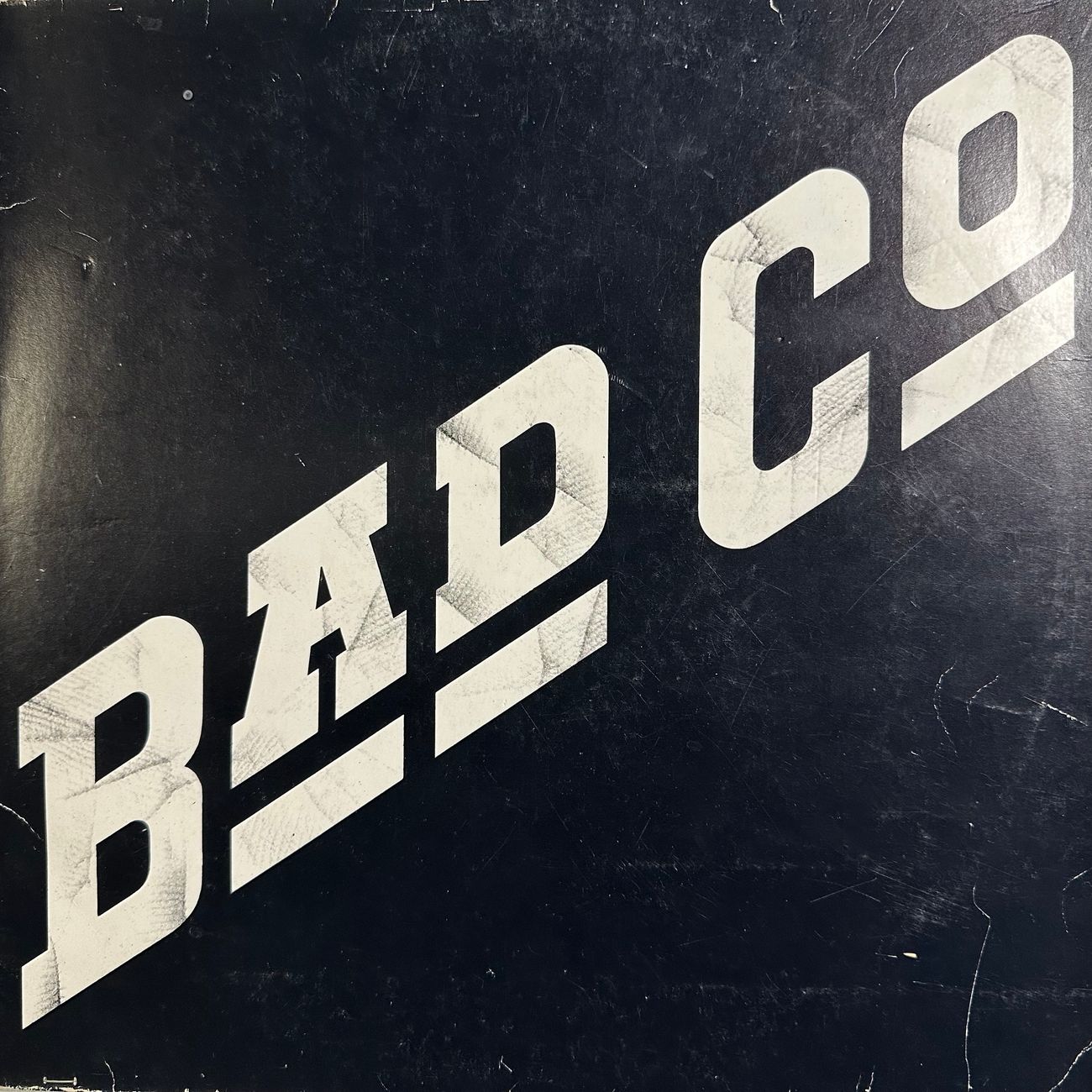
Bad Company is a British rock band that was formed in 1973. The band was part of the hard rock and blues-rock genres and became famous for its straightforward, driving style and powerful performances. The original lineup included Paul Rodgers as the vocalist, Mick Ralphs on guitar, Boz Burrell on bass, and Simon Kirke on drums. Bad Company was managed by Peter Grant, who was also the manager for Led Zeppelin, which helped them gain significant attention early in their career. Their self-titled debut album, released in 1974, was a major success and included hits like "Can't Get Enough" and "Movin' On." The album's sound, characterized by Rodgers' distinctive vocal style and Ralphs' guitar work, was a significant influence on the rock music scene of the 1970s. The band continued to enjoy success throughout the 1970s with albums such as "Straight Shooter" (1975) and "Run With the Pack" (1976), both of which contained songs that remained staples on classic rock radio, including "Feel Like Makin' Love" and "Silver, Blue and Gold." Over the years, Bad Company has undergone several lineup changes, particularly with regards to the lead vocalist and bassist positions, but Paul Rodgers returned to the band at various times. Their music has remained popular and influential, and they are remembered as one of the iconic bands of the classic rock era.
- Hard Rock
- Bad Company
- 12 Inch
- British
- Used
- Bad Company is a British rock band that was formed in 1973. The band was part of the hard rock and blues-rock genres and became famous for its straightforward, driving style and powerful performances. The original lineup included Paul Rodgers as the vocalist, Mick Ralphs on guitar, Boz Burrell on bass, and Simon Kirke on drums. Bad Company was managed by Peter Grant, who was also the manager for Led Zeppelin, which helped them gain significant attention early in their career. Their self-titled debut album, released in 1974, was a major success and included hits like "Can't Get Enough" and "Movin' On." The album's sound, characterized by Rodgers' distinctive vocal style and Ralphs' guitar work, was a significant influence on the rock music scene of the 1970s. The band continued to enjoy success throughout the 1970s with albums such as "Straight Shooter" (1975) and "Run With the Pack" (1976), both of which contained songs that remained staples on classic rock radio, including "Feel Like Makin' Love" and "Silver, Blue and Gold." Over the years, Bad Company has undergone several lineup changes, particularly with regards to the lead vocalist and bassist positions, but Paul Rodgers returned to the band at various times. Their music has remained popular and influential, and they are remembered as one of the iconic bands of the classic rock era.
7 Vinyl Records + 6 Posters
Elvis is one of the best-selling solo music artists worldwide, with estimated record sales of over 600 million units. His commercial success in the music industry remains unparalleled. Elvis had a profound impact on the development of rock and roll and popular music in general. He brought a blend of African-American blues, Christian gospel, and Southern country to a mass audience. He has numerous hit singles and albums, with more than 150 albums and singles certified gold, platinum, or multi-platinum by the Recording Industry Association of America (RIAA). Hits like "Heartbreak Hotel," "Jailhouse Rock," and "Suspicious Minds" are perennial favorites. Apart from music, Elvis also had a successful film career, starring in 31 feature films such as "Love Me Tender," "Viva Las Vegas," and "Blue Hawaii." These films, though often criticized for their lack of depth, were commercial successes and helped to solidify his status as a cultural icon. Elvis Presley's legacy is a complex amalgam of musical innovation, cultural shifts, and a personal story woven into the fabric of 20th-century music and entertainment. His life and work continue to be celebrated and studied for their profound impact on music and popular culture.
- Rock and Roll
- Elvis Presley
- 12 Inch
- USA
- Used
- Elvis is one of the best-selling solo music artists worldwide, with estimated record sales of over 600 million units. His commercial success in the music industry remains unparalleled. Elvis had a profound impact on the development of rock and roll and popular music in general. He brought a blend of African-American blues, Christian gospel, and Southern country to a mass audience. He has numerous hit singles and albums, with more than 150 albums and singles certified gold, platinum, or multi-platinum by the Recording Industry Association of America (RIAA). Hits like "Heartbreak Hotel," "Jailhouse Rock," and "Suspicious Minds" are perennial favorites. Apart from music, Elvis also had a successful film career, starring in 31 feature films such as "Love Me Tender," "Viva Las Vegas," and "Blue Hawaii." These films, though often criticized for their lack of depth, were commercial successes and helped to solidify his status as a cultural icon. Elvis Presley's legacy is a complex amalgam of musical innovation, cultural shifts, and a personal story woven into the fabric of 20th-century music and entertainment. His life and work continue to be celebrated and studied for their profound impact on music and popular culture.